Finding the right steel ramp for docking operations can improve safety and efficiency when moving goods between truck beds and docks. The following steel ramps and dock boards are built to handle heavy loads, offer non-slip surfaces, and provide robust support for forklifts and pallet jacks. Read on for five top steel options and a practical buying guide to help you choose the best fit for your facility.
| Product | Material | Load Capacity | Key Benefit |
|---|---|---|---|
| DMC-FPPS 68" x 86" Heavy Duty Shipping Container Loading Ramps | Steel | 16,000 lbs | Bridge transition from truck to dock with high capacity |
| DMC-FPPS 16,000Lbs Container Ramps 49"x86" | Steel | 16,000 lbs | Long, wide ramp for expansive dock access |
| 60" x 60" Loading Dock Board (Diamond Plate) | Steel | 13,000 lbs | Strong, safe dock transition for forklifts |
| 48" x 72" Guardian Steel Dock Boards | Steel | 16,000 lbs | Durable platform with traction-focused surface |
| Additional Steel Ramp Options (General Purpose) | Steel | Varies | Versatile, robust steel construction for various docks |
The following selections represent five of the best steel ramps and dock boards designed to handle heavy loads, promote safe transitions, and support forklift and pallet jack use in American loading environments. Each option emphasizes steel construction, traction, and structural integrity for dock operations.
DMC-FPPS 68" x 86" Heavy Duty Ramp

Made from diamond plate steel, this ramp measures 68.11" by 86.61" with a height differential of 6.49". It supports up to 16,000 lbs and is designed to ease the bridge between truck bed and dock. The heavy-duty construction is compatible with forklifts and is optimized for long dock runs, reducing the need for repositioning during loading.
DMC-FPPS Aluminum Dock Board Alternative (Not Steel)

Note: While this option is aluminum, it is listed here for contrast with steel models. It offers 10,000 lb capacity and a diamond plate surface with steel curbs for run-off protection. This is included to help compare materials and safety features when selecting a steel alternative.
DMC-FPPS 49"x86" Steel Dock Ramp
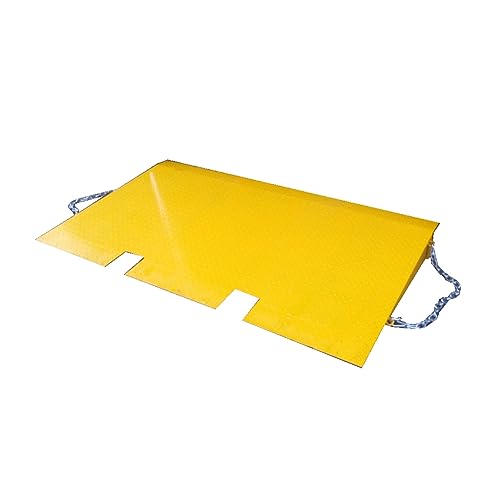
This 49" by 86" steel ramp is a heavy-duty loading dock ramp rated at 16,000 lbs. It features a diamond plate surface for extra traction and includes safety-oriented features like reinforced construction and a durable finish designed to bridge truck-to-dock transitions efficiently in busy loading environments.
Discount Ramps 60" x 60" Loading Dock Board

Designed for safer truck-to-dock transitions, this dock board offers a 13,000 lb capacity with reinforced steel diamond plate and high-visibility yellow curbs. It supports four-wheel forklifts and also accommodates lighter loads from three-wheel equipment, thanks to its sturdy understructure and stabilizers.
Guardian 48" x 72" Steel Dock Boards

Guardian’s steel dock boards measure 48" by 72" with a 16,000 lb capacity. The surface is diamond-plate designed for enhanced traction, and the board’s dimensions and load rating support a range of dock-to-truck operations, especially in higher-traffic facilities where rollover and slip risks must be minimized.
Additional Steel Ramp Considerations
When evaluating steel ramps for loading docks, consider the following perspectives:
- Load capacity vs. vehicle type: Match the ramp rating to the heaviest equipment typically used, such as four-wheel forklifts, pallet jacks, and pallet conveyors.
- Ramp width and deck length: Ensure the ramp width accommodates the widest equipment and that the deck length minimizes the need to reposition during loading.
- Surface traction: Diamond plate or textured steel surfaces provide grip in wet or oily conditions, reducing slip risk.
- Height differential and curb features: A suitable ramp should bridge the typical height difference without creating dangerous angles; built-in curbs help prevent runoffs.
- Safety accessories: Look for safety chains, secure mounting points, and reinforced undercarriage for stability.
- Durability and maintenance: Steel ramps should resist corrosion, wear, and impact; consider coatings or galvanization for longer life in harsh environments.
- Compatibility with dock levelers and trailers: Some ramps are designed to pair with specific dock systems or trailer types; confirm compatibility before purchase.
Buying Guide: Key Purchase Considerations
Choosing the right steel ramp for a loading dock involves weighing safety, cost, and performance. Consider the following factors to compare options effectively:
- Application and footprint: Determine whether you need a single long ramp, multiple dock boards, or a combination that covers several docking bays. Assess space availability and turning radius requirements.
- Load capacity and speed of use: If your facility handles heavy pallets and frequent forklift traffic, prioritize ramps with higher load ratings and robust construction to minimize maintenance.
- Construction quality: Diamond plate steel surfaces, welded seams, and reinforced curbs contribute to durability. Check for uniform welds and free of sharp edges.
- Traction and slip resistance: Nonslip surfaces reduce accident risk, especially in damp or oily conditions. Traction-oriented designs are beneficial for all-weather use.
- Modularity and expandability: Some systems allow you to add more boards or adapt to changing dock widths or heights, which can be cost-effective long-term.
- Safety features: Look for visible edge markings, secure attachment points, and compatibility with safety chains or restraints to minimize movement during loading.
- Maintenance and warranty: Longer warranties often reflect manufacturer confidence in durability. Look for corrosion resistance and easy surface cleaning.
- Installation and compatibility: Some ramps require professional installation or integration with existing dock infrastructure. Verify installation complexity and required tools.
- Cost of ownership: Include transport, installation, potential downtime, and maintenance in total cost estimates rather than focusing solely on upfront price.
In summary, steel ramps for loading docks should prioritize high load capacity, durable traction surfaces, safe transition geometry, and reliable anchoring. The selections above deliver steel-focused designs across a range of sizes and capacities to fit different dock configurations, practices, and equipment footprints.