For buyers seeking accurate chemical dilution in soft wash systems, a metering valve is essential. These valves allow fine control over chemical flow, helping achieve consistent dilution ratios and reliable soft washing results. The top picks below are best suited for different setups, from compact single-valve systems to larger inline feeders. The table summarizes who each valve best serves.
| Product | Best For | Notes |
|---|---|---|
| Soft Wash Metering Valve (3/4″), 0.75 Inch, Black, 25.0021 | Small to medium soft wash rigs needing precise 3/4″ flow control | Sold individually; multiple sizes available |
| R172086 1/2-Inch Control Valve Replacement (Pentair Rainbow compatibility) | Pool/spa feeders using 320/322 or 300-29X models | Chlorine valve compatible; careful installation recommended |
| Pool Control Valve R172086, 1/2-Inch | Existing Pentair Rainbow chlorinators needing reliable flow control | External connection design; avoid over-tightening |
| Upgraded Version R172086 Control Valve (Rainbow 1/2″ FPT) | Replacement for Rainbow inline feeders with leakage prevention | Thick plastic body; check for compatibility |
| SeDeplacer R172086 1/2-Inch Control Valve | Chlorine/bromine feeders during inline chlorination setups | Dual end connection; corrosion-resistant construction |
Soft Wash Metering Valve (3/4″ 0.75 Inch) — Best For Small Systems

The Soft Wash Depot metering valve offers precise flow control to fine-tune chemical dilution ratios in compact soft wash setups. Best for small to mid-sized rigs where 3/4″ piping is standard. It is sold individually, which helps users customize their configuration without duplicating unused valves. A potential limitation is that only one valve is shown in each unit, so buyers should verify their overall system size before purchase.
Best for: contractors or homeowners running single-valve or few-valve soft wash rigs that require exact chemical ratios. Choose this if you need immediate, straightforward flow adjustment without larger manifold components.
R172086 1/2-Inch Control Valve Replacement — Chlorine Valve Compatible
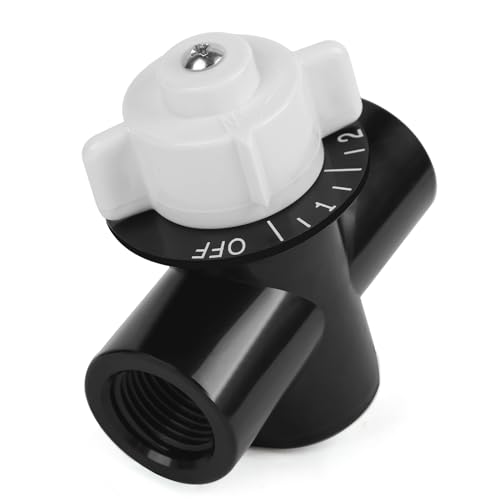
This replacement valve is designed for compatibility with Pentair Rainbow feeder models 320, 322, and 300-29X. It excels in efficient flow management, delivering precise control to maintain smooth water circulation and accurate chemical dosing. A notable caution is to avoid overtightening, which can cause breakage; ensure threaded connections are secure but not over-tightened. Easy installation and maintenance are emphasized in its design.
Best for: facilities already using Pentair Rainbow feeders who need a reliable, compatible 1/2″ chlorine valve. Choose this if seamless integration with existing equipment is a priority.
Pool Control Valve R172086, 1/2-Inch — Compatible with Rainbow Feeders

This valve emphasizes effortless compatibility with Pentair Rainbow automated chlorine/bromine feeders and supports external connection designs for flexible flow control. It is designed to prevent blockages and corrosion while allowing precise management of chlorine or bromine gas flow. A caution note recommends not overly tightening the valve and to apply water sealant tape on threaded connections to prevent leaks.
Best for: installations requiring a reliable retrofit for Rainbow feeders that value flexible connections and straightforward maintenance. Choose this if external flow control flexibility is important for your setup.
Upgraded R172086 Control Valve for Rainbow Feeders

The upgraded version targets Rainbow inline feeders (320, 322, 300-29X) with thick plastic construction designed to prevent leakage. It measures 1/2 inch FPT and helps ensure the chlorine or bromine feeder receives proper water pressure for accurate chemical metering. A possible limitation is compatibility variability; verify model compatibility with your exact Rainbow feeder before purchase.
Best for: users seeking a robust, leak-resistant replacement for Rainbow feeders. Choose this if you want extra durability and leakage protection in a 1/2″ valve.
SeDeplacer R172086 1/2-Inch Control Valve Replacement

SeDeplacer offers a compatible 1/2-inch control valve designed for Pentair Rainbow feeders (320, 322, 300-29X). It features a dual-end connection design with flexible rotary switches to adjust flow, reduce blockages, and prevent corrosion. The valve is made from corrosion-resistant plastic with precise scaling to minimize leaks. A caution is to ensure proper installation and avoid over-tightening on threaded connections to prevent damage.
Best for: professionals seeking a direct replacement that aligns with multiple Rainbow models while emphasizing longevity and precise flow control. Choose this when you need a dependable, valve-focused solution for chlorine/bromine metering.
Buying Guide: Key Considerations for Soft Wash Metering Valves
What size valve do I need?
Valve size should match your system’s piping: 1/2″, 3/4″, or 1″ are common. The correct size ensures accurate flow and compatible connections with your soft wash pump, hoses, and inline feeders. Measure existing fittings or check your system’s manual.
What material and durability matter?
Most metering valves use durable plastics designed to resist chemical exposure. Look for corrosion resistance, especially for chlorine or bromine-dense applications. A leak-proof design reduces maintenance and downtime.
Is compatibility with existing feeders important?
If you already own a Pentair Rainbow feeder or similar models, select valves listed as compatible with those feeders (320, 322, 300-29X). Compatibility minimizes installation complications and ensures reliable metering.
How important is installation ease?
Valves with clear threaded connections and easy-to-access components simplify DIY installation. Avoid models that require specialized tools or excessive torque on fittings, which can cause leaks or breakage.
What about maintenance and longevity?
Choose valves with straightforward maintenance and proven durability. Features such as external connection designs, leak-prevention construction, and corrosion resistance contribute to longer service life and fewer interruptions during cleaning cycles.
Performance versus price
While higher durability and compatibility are valuable, evaluate whether the valve’s precision and integration with your feeder justify the cost. For small setups, a basic 3/4″ valve may suffice; for larger systems, a robust 1/2″ replacement with compatibility benefits may be more economical in the long run.
Quick installation tips
- Avoid overtightening threaded connections to prevent breakage.
- Apply water sealant tape/PTFE tape on threaded joints to prevent leaks.
- Verify the flow direction and scale on the valve before operation.
Summary of selection criteria
- System size and piping compatibility (1/2″, 3/4″, or 1″).
- Feeders compatibility (Pentair Rainbow models or similar).
- Material durability and corrosion resistance.
- Ease of installation and maintenance.
- Leak prevention features and reliable flow control.
FAQ
- What is a soft wash metering valve used for?
A metering valve precisely controls chemical flow in soft wash systems to achieve consistent dilution and cleaning results.
- Which valve size is most common for residential setups?
1/2″ and 3/4″ valves are common for consumer-grade systems; larger or multiple-valve setups may use 1″ valves.
- Do I need a specific brand to match my feeder?
Not always, but matching feeder compatibility (such as Pentair Rainbow models) reduces installation risk and improves performance.
- How can I prevent leaks at valve connections?
Use PTFE tape on threads, avoid overtightening, and verify all seals are intact during installation.
- Can I replace only the valve instead of the entire feeder?
Yes, many replacements are designed to fit existing feeders, offering a cost-effective way to restore precise metering.
- Is corrosion resistance important for chemical metering valves?
Yes. Valves exposed to chlorine or bromine benefit from corrosion-resistant materials to prolong life and maintain accuracy.