Finding the right small engine test stand depends on engine type, stability, and ease of setup. This guide highlights five versatile stands suited for testing a range of small automotive and model engines. Ideal buyers include hobbyists, auto shops, schools, and racing teams looking for solid, adjustable platforms that minimize vibration and maximize test precision. Below is a quick comparison of the selected stands.
| Product | Best For | Key Benefit |
|---|---|---|
| LARIN Engine Run Stand ERD-1000 | General automotive engines | Universal fit with adjustable mounts |
| Deevoka RC Engine Test Bench | High-vibration engines | Military-grade CNC aluminum construction |
| Prolinemax Mobile Engine Test Station | Mobile demonstrations and testing | Integrated gauge/meter setup |
| NITAGO RC Engine Test Bench | Aero-model and small gas engines | High-strength aluminum and precision build |
| VEVOR Engine Stand | Heavy engines and long-term use | Rotating head with 360° adjustability |
LARIN Engine Run Stand ERD-1000

The LARIN ERD-1000 is a universal-fit engine run stand designed to accommodate a broad range of engines, making it suitable for testing various automotive motors. Its heavy-duty steel construction and powder-coated finish resist rust and corrosion over long-term use. Adjustable motor mounts help secure different engine sizes for straightforward testing and tuning. Best for: workshops that need a reliable, all-purpose stand for multiple engine types. Limitation: the universal fit may require additional adapters for some niche engines.
Deevoka RC Engine Test Bench
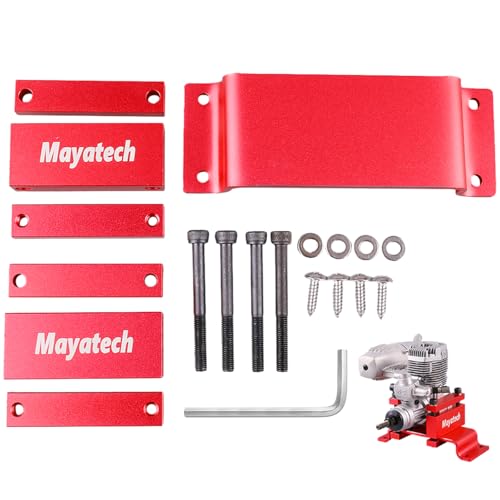
The Deevoka test bench features military-grade CNC aluminum with a thicker profile to dampen vibration and resist corrosion from methanol exposure. It offers a self-adjusting 06-160 class fit, compatible with Mayatech gasoline and methanol engines (15cc-300cc) without shims. Setup is quick with a 3-minute tool-free process and a clamping force over 200 lbs to stabilize high RPM engines up to 30,000 RPM. Best for: users testing smaller, high-RPM engines who need a rigid, lightweight bench. Caution: verify height clearance and compatibility with your specific engine model before purchase.
Prolinemax Mobile Engine Test Station

The Prolinemax unit is designed as a mobile testing station with gauges for tachometer, engine temperature, and oil pressure. It’s built on a heavy-duty steel frame with a powder-coated finish, suitable for demonstrations, break-in runs, leak testing, and detailing. Best for: automotive shops and schools that require a portable, all-in-one testing platform. Limitations: some users may want to add additional mounting brackets for specialized engines.
NITAGO RC Engine Test Bench

The NITAGO test bench is built for aero-model and mayatech engines that require running-in before flight or optimal performance. It uses high-strength aluminum alloy and CNC processing for durability and corrosion resistance. Best for: model airplane enthusiasts and small-engine developers needing a precise, lightweight bench. Caution: check engine compatibility with the fixed width and mounting system before purchase.
VEVOR Engine Stand

The VEVOR engine stand holds up to 750 lbs with a rotating 360-degree head and adjustable arms, built on a durable cast iron body with an alloy-steel base. It features a robust base design and protective coating to resist rust, making it suitable for long-term use in vehicle maintenance and auto repair tasks. Best for: users needing a heavy-duty, stable stand for larger engines. Limitation: some setups may require additional stabilizers for extreme torque applications.
Buying Guide
What should you consider when choosing a small engine test stand?
- Engine compatibility: Confirm engine size, mounting options, and whether the stand supports your specific model (e.g., 15cc–300cc ranges or larger automotive blocks).
- Stability and materials: Look for heavy-duty steel or aluminum with corrosion resistance. A solid base and secure mounting arms reduce vibration and movement during testing.
- Mobility vs. fixed setup: Decide if you need a portable stand for demonstrations or a fixed bench for long-term testing.
- Accessories and gauges: Some stands include tachometers, temperature and oil pressure gauges, or accessory mounting points. Ensure the included features meet your test needs.
- Ease of setup: Tool-free or minimal-assembly designs save time and reduce setup errors during testing sessions.
Frequently Asked Questions
- What is a small engine test stand used for?
Answer: It provides a stable platform to run and test small engines, measure performance, and conduct break-in or calibration procedures. - What features matter most for reliability?
Answer: A sturdy frame, secure mounting, vibration resistance, and compatibility with the engine sizes you test. - Can these stands handle high RPM engines?
Answer: Some models are designed for high RPMs; verify RPM ratings and mounting security before use. - Is portability important?
Answer: If you need frequent relocations, choose a lighter, well-balanced model with simple assembly. - Do these stands come with gauges?
Answer: Several options include basic gauges; others may require separate instrumentation depending on testing needs.