When selecting skid steer brush cutter blades, you want durable, Compatible, and high-performance options that handle thick brush, saplings, and dense grass. This guide highlights five top blades and explains who benefits most from each choice. Ideal buyers include land-clearing crews, ranch managers, and contractors needing reliable, long-lasting cutting edges. The table below compares key specs to help you decide quickly.
| Product | Thickness | Material | Mount Hole | ||
|---|---|---|---|---|---|
| WIKIBB Brush Hog Cutter Blades | 8 mm | Spring steel | 30 mm | 14 in | Lawn brush mowing on Skid Steer |
| YDDVEHI Heavy Duty Blades | 0.5 in | Steel | 1-1/8 in | 15 in | Heavier brush and denser vegetation |
| MOTOQUEEN 10 mm Blades (BC-13-72W) | 10 mm | Spring steel | 25.5 mm | 14.56 in | Thick brush, saplings, tough conditions |
| MOTOQUEEN 8 mm Blades (AGT-RC72/EXRC54) | 8 mm | 60Si2Mn spring steel | 30 mm | ~2.5 in x 14.5 in | Versatile compatibility across AGT Top Cat models |
| Foruly Heavy Duty Blades | 0.5 in | High-carbon steel | Noted for AGT HFRC72/HDRC-72W | Not specified | Dense brush, budget-conscious replacements |
WIKIBB Brush Hog Cutter Blades

Best for: Homeowners and small-acreage properties needing easy-to-handle replacements for light to moderate brush. These blades are built from spring steel with black powder coating for durability and longevity. The 14-inch length and 8 mm thickness provide a balance between cut quality and resilience. The center bore is 30 mm, which fits a range of skid steers with compatible hubs. Choose this if you want a straightforward, robust blade option that resists wear on routine brush mowing. Caution: Confirm model compatibility before purchasing to avoid fit issues.
YDDVEHI Heavy Duty Skid Steer Blades

Best for: Operators needing heavier cut capability and a larger blade for demanding brush clearing. These 0.5-inch thick steel blades are designed to tackle dense brush and heavier vegetation. The 15-inch length and 1-1/8 inch hole diameter provide a stable, strong cutting edge. They’re a solid pick when you regularly clear thorny brush or saplings. Limitation: Not compatible with HCRC big install hole models; verify hole size before purchase.
MOTOQUEEN 10 mm Spring Steel Blades

Best for: Pro users and contractors handling stubborn brush and saplings. These 10 mm blades are built from spring steel to absorb impact and maintain edge sharpness over extended periods. A 14.56-inch length and 2.75-inch width contribute to stability during heavy cutting. The 25.5 mm bore accommodates common skid steer hubs. Note: This blade is designed for tough clearing tasks and might be overkill for light mowing.
MOTOQUEEN AGT-RC72 8mm Blades
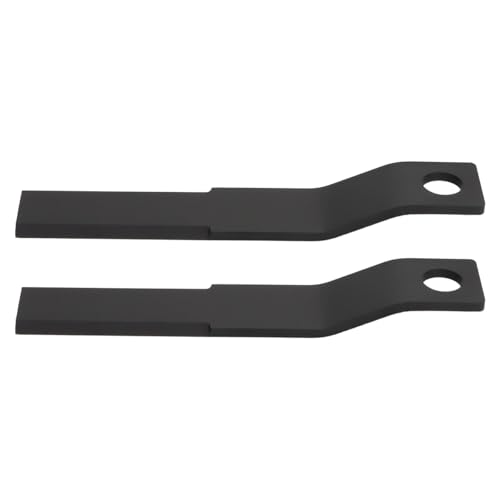
Best for: Users needing wide compatibility with AGT – RC72, EXRC54, and other 30 mm bore equipment. The 8 mm thick blades in 60Si2Mn spring steel provide reliable performance with good fatigue resistance. They are a solid all-around choice for varied brush types and work conditions. Caution: Confirm mounting hole size and compatibility with your specific model before ordering to ensure a proper fit.
MOTOQUEEN Replacement For Wolverine BC-13-72W

Best for: Professionals using Wolverine BC-13-72W who need durable NM400 steel blades for heavy-duty mowing. The 14-1/2 inch length, 2-3/4 inch width, 3/8 inch thickness, and 1 inch mounting hole are designed for demanding brush cutting. These blades emphasize wear resistance and structural durability under tough clearing conditions. Limitation: Confirm exact model fit to avoid misalignment or mounting issues.
Foruly Heavy Duty Blades For Wolverine And AGT

Best for: Budget-conscious buyers who still need reliable resistance to rock impacts and dense vegetation. These 0.5-inch blades are forged from high-carbon steel with a deep heat-treatment to bend rather than snap under extreme impact, protecting the deck. They’re suitable for AGT Top Cat HFRC72 and HDRC-72W models; always verify mounting hole compatibility before purchase. A practical choice for frequent clearing work where longevity matters most.
Buying Guide: Key Considerations For Skid Steer Brush Cutter Blades
- Compatibility: Confirm bore size and mounting hole compatibility with your skid steer attachment. Mismatches cause improper fit or dangerous operation.
- Material And Hardness: Spring steel blades offer flexibility and durability; NM400 is known for wear resistance. Higher thickness often improves impact resistance but adds weight.
- Blade Geometry: Blade length, width, and lift wings influence cutting efficiency and debris ejection. Aggressive profiles can lift grass but may increase debris backscatter.
- Application Type: Light brush mowing differs from dense, rocky, or sapling clearing. Choose blades designed for your primary tasks.
- Coatings And Corrosion: Coated blades resist rust, extending service life in wet conditions. Ensure coating suitability for your environment.
- Installation And Replacement: Look for blades with straightforward installation and clear dimension specifications to minimize downtime.
Frequently Asked Questions
- Q: How do I know if a blade fits my skid steer brush cutter? A: Check bore hole size, blade length, and mounting pattern against your mower model’s specs.
- Q: Are heavier blades better for dense brush? A: Heavier blades can handle tougher growth, but require compatible attachments and more motor power.
- Q: What is the advantage of spring steel blades? A: Spring steel blends durability with some resilience to bending, reducing cracking under impact.
- Q: Should I replace both blades at the same time? A: Replacing in pairs maintains balance and cutting performance, especially on heavy-duty jobs.
- Q: How should blades be stored when not in use? A: Store in a dry place, protected from moisture to minimize rust; keep blades sharp and dry.
- Q: Can blades be resharpened? A: Some blades can be sharpened, but verify manufacturer guidance to avoid compromising structural integrity.