Choosing the right sludge removal pump means balancing power, durability, and versatility. This guide highlights five capable options designed to move mud, sand, and solids, plus a practical accessory to turn a pressure washer into a trash pump. Each option is built to handle heavy debris while resisting wear on demanding job sites, basements, or flood cleanup tasks. Read on for concise product summaries, then use the buying guide to compare capacity, discharge size, and installation needs.
| Product | Brand | Discharge | Key Strength |
|---|---|---|---|
| Tsurumi HS2.4S Submersible Trash Pump | Tsurumi Pump | 2 in | Integrated agitator for solids up to 0.3 in |
| Allegro Industries 9404-04 | ALLEGRO | 2 in (approx.) | Industrial-grade cast iron and urethane impeller |
| Suttner ST36 Sludge Pump 4.0 | Suttner | 4 in | Compact sludge removal with ease |
| Ultimate Washer Sludge Scupper | Ultimate Washer | 1.5 in suction hose included | Transforms a pressure washer into a sludge pump |
| Acquaer Portable Electric Utility Pump | Acquaer | 1/2 in to 1 in (depend on setup) | Compact, portable, versatile for many tasks |
Tsurumi HS2.4S Submersible Trash Pump with Agitator

The Tsurumi HS2.4S is a compact, submersible trash pump designed for dewatering with sandy water and solids. It features a semi-vortex impeller and a built-in agitator to manage debris up to 0.3 inches, reducing clogs during cleanup. The 1/2 HP motor delivers reliable performance from a standard 115V supply, and a 20-foot cord helps reach work areas without extension cords. An angled 2-inch discharge offers flexible hose alignment and efficient pumping across varied setups. The pump is suited for construction sites and disaster remediation where portable, durable pumping is essential.
Key details to note include its submersible design for easy placement in pits or flooded areas, a practical discharge size for common hoses, and robust construction to withstand gritty slurries. The HS2.4S is an efficient choice when you need steady transfer of sludge-laden water with manageable solids.
Allegro Industries 9404‑04 Sludge Dewatering Pump

The Allegro 9404‑04 sludge dewatering pump delivers up to 53 GPM with a 39-foot head, handling muddy water and solids up to about 1 inch by 3/8 inch. Built for industrial environments, it uses a ductile cast iron casing, urethane impeller, stainless steel shaft, and an aluminum motor frame to withstand demanding job sites. This multi-application pump is well-suited for construction sites, flooded basements, ponds, wastewater pits, and sediment removal. It efficiently moves debris and is designed to operate in harsh conditions while maintaining durability and performance.
Consider its 0.4 kW motor rating and rugged materials when evaluating how it fits into your debris-removal workflow. The Allegro model emphasizes reliability and heavy-duty construction in a compact form factor, making it a staple for ongoing dewatering tasks.
Suttner ST36 Sludge Pump 4.0

The Suttner ST36 Sludge Pump 4.0 aims to simplify sludge removal with a focused approach to handling slurry from car washes, bays, and chemical spill cleanup. The listing emphasizes that it is designed for sludge removal tasks, providing a streamlined solution for contractors and facility maintenance teams seeking an effective pump for semi-solid waste. The ST36 is positioned as a practical option when space is limited but reliability is essential for consistent dewatering and sludge handling.
When selecting, consider its flow rate and build quality against job requirements. For those needing a straightforward sludge pump with dependable performance at a reasonable size, the Suttner ST36 offers a compact alternative that emphasizes practical usability in day-to-day sludge removal tasks.
Ultimate Washer Sludge Scupper
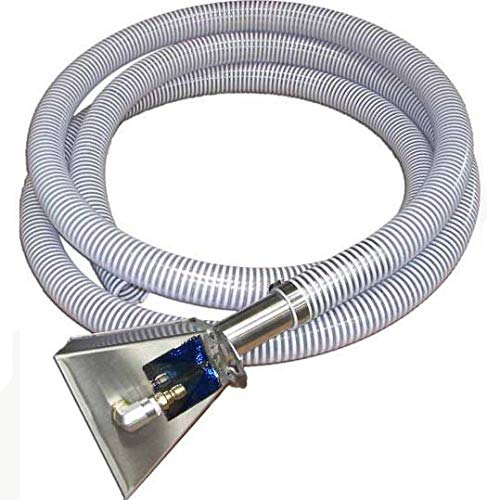
The Ultimate Washer Sludge Scupper is a simple, no-moving-parts attachment that turns a compatible pressure washer into a sludge-pumping setup. It can extract debris up to 3/4 inch and works with high-pressure systems capable of up to 4,000 PSI and about 36–86 GPM. It includes a heavy-walled suction hose (15 ft) and a 1-1/2 inch intake, enabling rapid conversion for cleanup tasks like gravel and sludge removal in confined spaces. This accessory is especially useful for rapid response scenarios where a dedicated sludge pump is not available on-site.
Despite its simplicity, the Scupper provides a practical, cost-effective approach to sludge cleanup when paired with a suitable pressure washer. It is best for light to moderate debris and situations that require a quick, versatile solution without purchasing a separate pump.
Acquaer Portable Electric Utility Water Transfer Pump
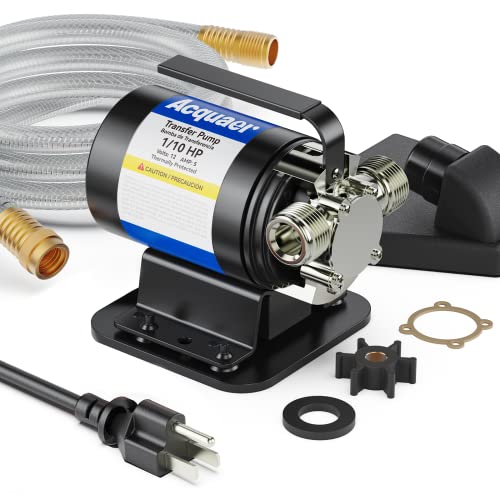
The Acquaer transfer pump is a lightweight, 1/10 HP unit designed for agility and portability. It moves water up to 264 GPH (4.4 GPM) and can lift water up to 46 feet, making it a practical option for water bed replenishment, flooded areas, and smaller dewatering tasks. The pump uses a metal volute with a durable build and offers automatic thermal overload protection for safety. It is well-suited for multi-application tasks, including irrigation, garden watering, and general water removal where sludge content may be limited but dirty water is present.
This model emphasizes portability and ease of use, enabling quick deployment on job sites or around the home. When slurry content is substantial, pairing it with an agitator or pre-filter can improve performance, but for light sludge scenarios, the Acquaer pump provides reliable, simple operation.
Buying Guide: Key Purchase Considerations
- Solids handling capacity: Look for pumps with agitators or semi-vortex impellers if you routinely deal with sand, silt, or debris larger than 1/2 inch. Some models specify debris size limits; choose accordingly for your typical sludge.
- Discharge size and port configuration: Match the discharge port to your hoses and fittings. A 2-inch or larger discharge is advantageous for higher flow and quicker cleanup, while smaller ports may be adequate for lighter tasks.
- Submersible vs. portable: Submersible pumps excel in flooded pits and basements, while portable transfer pumps are best for dagged use on level surfaces or with temporary setups. Consider job-site access and water depth when choosing.
- Power and efficiency: Check motor horsepower and voltage to ensure compatibility with available power sources. Higher horsepower often yields better debris handling but requires more robust electrical support.
- Durability and materials: Industrial-grade cast iron, stainless steel shafts, and urethane impellers extend service life in abrasive sludge environments. Aluminum and corrosion-resistant frames offer lighter, durable builds for portable use.
- Cord length and reach: A longer power cord or a generous cord length reduces the need for extension cords and provides flexibility when pumping away from power outlets.
- Maintenance and serviceability: Pumps with accessible wear parts and straightforward maintenance schedules reduce downtime. Consider availability of replacement parts in your region.
- Overall footprint and portability: For frequent transport, weight, handle design, and compact dimensions matter. A pump that’s easy to carry can speed up cleanup in tight spaces.
- Accessories and compatibility: Some options include suction hoses or adapters; others require separate purchases. Verify compatibility with common hose sizes and fittings used in your work.
- Safety features: Look for thermal overload protection, sealed motors, and proper grounding to ensure safe operation in wet environments.
Buying Guide (summary): For heavy sludge and solids, prioritize submersible units with agitators and 2-inch (or larger) discharges. For quick mobilization or light sludge tasks, portable pumps and sludge-scuffers provide flexible solutions. Always align power supply, hose compatibility, and maintenance needs with your typical sludge-removal workload.