Finding a reliable mold release is essential for fiberglass projects, ensuring clean releases, crisp details, and reduced mold wear. This guide highlights five top options that work well with fiberglass resins, silicone molds, and thermoset composites. Each product is evaluated on release performance, ease of use, and suitability for common casting materials such as epoxy, polyester, and polyurethane systems.
| Product | Brand | Type | Key Benefit |
|---|---|---|---|
| PARTALL Paste #2 Mold Release Wax | Fiberglass Supply Depot | Paste Wax | Economical, multi-use edge wax and mold release |
| PVA Water Based Mould Release | Uniproducts | PVA Film | Easy part release, versatile for many materials |
| Ease Release 200 Mold Release | Mann Release Technologies | Aerosol | Excellent release across urethane, epoxy, polyester |
| Mitreapel Silicone Mold Release Spray | Mitreapel | Silicone Spray | High silicone content for silicone and rubber molds |
| PVA PARTALL #10 Liquid Easy Casting | FGCI | Liquid Release | Simple application, glossy finish, no staining |
Notes: The table summarizes products chosen for fiberglass casting scenarios. Availability may vary by region. Always test a small mold area first to check for staining or residue with your specific resin system.
PARTALL Paste #2 Mold Release Wax

PARTALL Paste #2 is a versatile mold release wax formulated with hydrocarbon and microcrystalline waxes. It is documented as an economical option suitable for ambient-temperature cures when forming fiberglass, cast polymer, or composites parts. This paste wax can also serve as an edge wax on larger molds and may help seal rough wood molds or plugs used for casting composites, cements, and grouts. The product’s general-purpose nature makes it a reliable starter option for hobbyists and professional shops looking to prevent adhesion without complex prep. Typical use involves applying a light layer to mold surfaces and buffing to a smooth, clean finish. While primarily a mold release, it can also contribute to better surface gloss and reduced sticking on various substrates.
Key considerations:
– Best used in ambient-cure molding scenarios with thermoset resins.
– Works as an economical option for smaller runs or as an edge wax on larger molds.
– Compatibility with different molding resins should be verified for long-term reuse.
PVA Water Based Mould Release

This water-based polyvinyl alcohol (PVA) release agent forms a temporary barrier between the mold and the part, allowing easy removal of epoxy, polyester, vinyl ester, gel coat, polyurethane foam, or silicone-based components. It is designed to be applied by brush, spray, roll, or sponge, without shrinking or staining the molded surface. PVA releases are particularly popular in DIY projects due to their easy cleanup with water and broad compatibility across resin systems. For fiberglass work, PVA can improve release on complex geometries and minimize adhesive residues that could mar surface details. Users should consider dry time and environmental conditions to ensure a clean release before demolding.
Key considerations:
– Versatile across many resin systems and mold materials.
– Provides a clean release with straightforward application methods.
– Water-based formula generally cleans up with water, reducing solvent exposure.
Ease Release 200 Mold Release
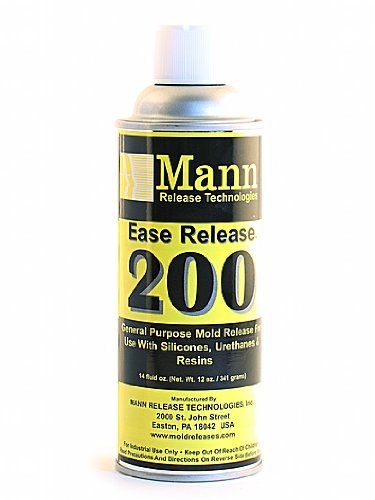
Ease Release 200 is a 14-ounce aerosol that claims to release polyurethane elastomers, epoxy resin, polyester resins, RTV silicones, rubber, and thermoplastic polymers. It is positioned as an all-purpose mold release with strong performance across common fiberglass and resin systems. The spray format offers quick coverage, especially for larger molds or intricate cavities where brushing is impractical. It is important to apply evenly and avoid over-application, which can lead to residue or a compromised finish on delicate surfaces. For fiberglass parts, a consistent spray layer can help reduce sticking and allow easier demolding.
Key considerations:
– Aerosol convenience for large molds.
– Broad compatibility with resins and silicones.
– Proper ventilation is recommended during application.
Mitreapel Silicone Mold Release Spray

Mitreapel’s silicone mold release spray emphasizes a high silicone content to prevent sticking on epoxy projects and silicone or rubber molds. The formula is designed to provide a reliable barrier that facilitates easy demolding and helps preserve mold surface integrity during repeated cycles. This type of release is particularly valued in silicone mold work, where a high-fatigue release is necessary to avoid tearing or scuffing the mold edges. Proper application involves a light, even coating and allowing a brief dry time before pouring or casting.
Key considerations:
– Strong performance on silicone and rubber molds.
– High silicone content reduces sticking on complex geometries.
– Best for projects requiring repeated releases with minimal mold wear.
PVA PARTALL #10 Liquid Easy Casting Mold Release

PVA PARTALL #10 is a liquid mold release designed for easy casting with silicone and resin molds, promising a glossy, smooth release and minimal staining. It is marketed for professional-quality results and is suitable for DIY resin and fiberglass mold casting. The product emphasizes simple application—spray, roll, sponge, or brush—and a stable, non-shrinking film that remains where applied. Pros include a clean demolding process and a glossy surface finish, beneficial for parts that require a visually appealing underside or top surface after demolding.
Key considerations:
– Easy application with multiple application methods.
– Glossy release with minimal residue.
– Suitable for silicone and resin molds in fiberglass applications.
Buying Guide: Key Purchase Considerations
- Resin compatibility: Confirm the release agent is compatible with your resin system (epoxy, polyester, vinyl ester, etc.). Some products perform better with specific resins; always check manufacturer guidelines and run a small test.
- Mold material and surface finish: For silicone or rubber molds, silicone-based releases tend to work best. For wood or metal molds, wax, PVA, or water-based releases can prevent staining and residue.
- Application method and environment: Aerosol sprays offer quick coverage for large or intricate molds, while liquids and pastes may provide more control on detailed surfaces. Consider your workspace ventilation and cleanup needs.
- Ease of cleanup: Water-based PVA releases simplify cleanup, especially in DIY settings. Oil-based or wax-based options may require more effort to remove residues between cycles.
- Reusability and mold wear: Some formulations are gentler on molds, preserving edge integrity over multiple uses. High-silicone content sprays are generally kinder to silicone molds but can be pricier per application.
- Drying time and cure conditions: Allow appropriate drying times to prevent premature demolding, which can cause surface imperfections or trapped air.
- Residue and staining: If you require a clean, stain-free surface for painting or finishing, choose a release that minimizes color transfer and surface staining.
When choosing a mold release for fiberglass projects, weigh the resin type, mold material, and number of reuse cycles. A blend of products—such as a wax-based option for initial mold conditioning, followed by a PVA or silicone-based release for the actual casting—can provide robust performance across a range of projects. Always perform a small-scale test on a sacrificial mold area to confirm release effectiveness and surface quality before committing to large runs.