If you’re shopping for a hydraulic log splitter pump, you want a dependable, high-flow unit that fits your existing system. This guide highlights five strong options, detailing who they’re best for and why they stand out. Ideal buyers include DIY homeowners, small workshops, and trailer-mounted splitters needing steady power and straightforward installation.
Summary table of selected products
| Product | Flow/Pressure | Inlet/Outlet | Best For | Limitations |
|---|---|---|---|---|
| Nakkaa 16GPM 2 Stage 3000PSI | 16 GPM @ 3000 PSI | 1″ In / 1/2″ NPT | High power, steady performance | Aluminum housing may require careful mounting |
| VEVOR 16GPM 2 Stage 4000PSI | 16 GPM @ 4000 PSI | 1″ In / 1/2″ NPT | Higher pressure capability | More demanding installation |
| Nakkaa 13GPM 2 Stage 3000PSI | 13 GPM @ 3000 PSI | 1″ In / 1/2″ NPT | Balanced power for smaller setups | Lower flow than 16 GPM models |
| RYFT 13GPM 2-Stage 3000 PSI | 13 GPM @ 3000 PSI | 1/2″ NPT outlet | Compact and durable | Shaft specs vary by model |
| Jecoupoon 16GPM 2 Stage 3000 PSI | 16 GPM @ 3000 PSI | 1″ In / 1/2″ NPT | Efficient two-stage design | Standardized ports, but verify mounting space |
Nakkaa 16GPM 2 Stage 3000PSI Hydraulic Log Splitter Pump
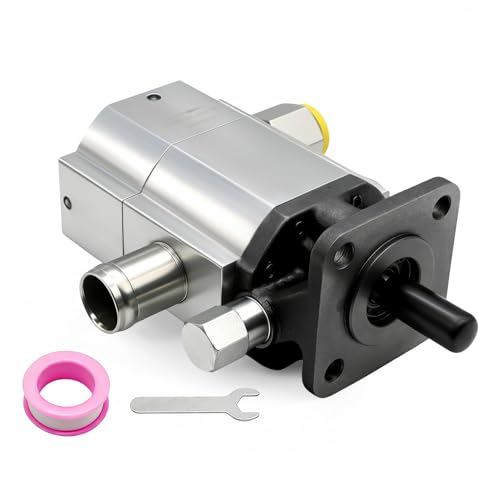
Best for high-demand projects, this 16 GPM, 3000 PSI pump uses a rugged extruded aluminum housing to resist impacts and weathering. It delivers strong cutting speed and reliable operation with a 1″ inlet and 1/2″ NPT outlet. The unit is best for frequent, heavy splitting tasks in workshops or semi-permanent setups.
Why this was selected: High flow and solid construction make it well-suited for frequent use and larger-diameter logs. The aluminum casing helps with heat dissipation during extended cycles. Caution: Ensure proper mounting hardware and ventilation to prevent overheating in enclosed spaces.
VEVOR Hydraulic Wood Log Splitter Pump, 16GPM, 2 Stage 4000PSI
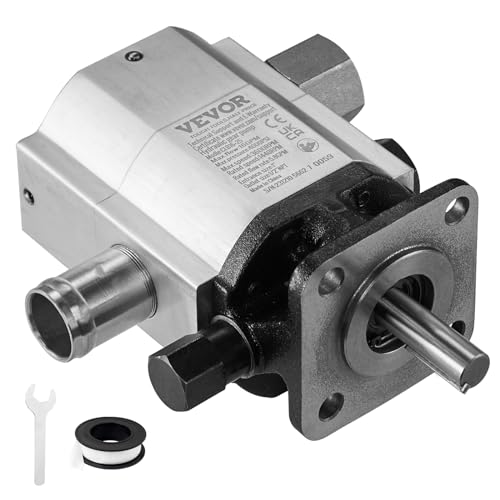
Best for users needing higher pressure capacity, this 16 GPM, 4000 PSI pump combines robust aluminum alloy construction with sealed connections for reliability in harsh environments. It suits medium to heavy-duty splitter systems and can handle tougher wood species with faster cycle times.
Why this was selected: The higher 4000 PSI rating translates to more aggressive splitting and better performance with stubborn logs. Caution: Check compatibility with your current hydraulic valves and hoses to prevent leaks.
Nakkaa 13GPM 2 Stage 3000PSI Hydraulic Log Splitter Pump

Best for compact setups where space or budget is a constraint, this 13 GPM pump still delivers solid 3000 PSI performance. The extruded aluminum housing ensures durability and consistent operation across varying conditions. It’s a good fit for smaller home garages or portable splitters.
Why this was selected: Balanced power and size make it a practical choice for lighter workloads. Caution: It has slightly lower flow than 16 GPM units, which can affect cycle speed on larger logs.
RYFT Hydraulic Log Splitter Pump 13GPM 2-Stage

Best for rugged outdoor use, this 13 GPM pump is built with a high-strength aluminum housing and a cast steel end plate to resist rust and impact. It offers standard ports with a 1/2″ NPT outlet, making it broadly compatible with many small engine mountings and snowplow setups.
Why this was selected: Durable construction suits frequent outdoor use and remote locations. Caution: Pay attention to shaft specifications and alignment to avoid improper engagement with drive motors.
Jecoupoon 16GPM 2 Stage Hydraulic Log Splitter Pump
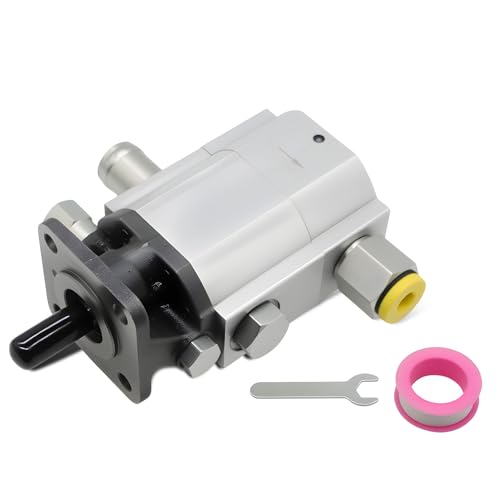
Best for productivity, this 2-stage, 16 GPM pump provides faster cycle times and higher output pressure. User-friendly with standardized ports (1″ inlet, 1/2″ NPT outlet) and a robust aluminum housing, it is suitable for many wood-splitting applications and varying engines.
Why this was selected: The two-stage design improves efficiency, making it a solid pick for those who want quicker splits with consistent results. Caution: Verify space for installation and ensure the motor drive is compatible with the pump shaft size.
Jecoupoon 11GPM 2 Stage Hydraulic Log Splitter Pump

Best for lighter workloads or starter setups, this 11 GPM, 3000 PSI pump still offers a two-stage design and aluminum housing for durability. It’s suitable for small projects and driveway setups where space is limited.
Why this was selected: Lower flow can save energy and reduce heat in simple tasks. Caution: May be slower on large logs; consider log size when selecting this model.
Buying Guide
What to consider when choosing a hydraulic log splitter pump:
- Flow and pressure: Higher GPM and PSI deliver faster cycles and tougher log handling, but require a matching hydraulic system.
- Port configuration: Ensure the inlet is 1 inch and the outlet is 1/2 inch NPT to fit your hoses and valves.
- Construction: Aluminum housings are common and lightweight, with good heat dissipation; steel components add durability but may be heavier.
- Two-stage design: Two-stage pumps generally provide better efficiency and faster cycle times for a range of log sizes.
- Mounting and space: Check mounting dimensions and available space in your splitter or vehicle-mounted unit.
- Compatibility: Verify shaft size, end plate construction, and seal types to ensure a proper fit with your drive motor and system.
- Maintenance access: Look for pumps with straightforward access to seals and ports for easier service.
FAQ
- What does GPM stand for in log splitter pumps?
GPM stands for gallons per minute and indicates hydraulic fluid flow rate. - Is a higher PSI pump always better?
No. It depends on your splitter’s system and log size. Higher PSI helps with tougher wood, but must match your valves and hoses. - Are two-stage pumps worth it?
Yes for many users. They provide faster cycle times and better pressure management, especially on larger logs. - How important is the inlet/outlet size?
Very important. Matching ports avoids leaks and ensures efficient flow. - Can these pumps fit portable or trailer-mounted splitters?
Yes, many models are designed for portable or fixed installations; verify mounting space and shaft size. - What maintenance is needed?
Keep hydraulic fluid clean, check seals periodically, and inspect mounting hardware for tightness.