Storing gasoline properly protects engines from corrosion, varnish, and gum buildup that can occur over extended periods. The right gas treatment helps preserve octane stability, prevents ethanol-related damage, and ensures quick starts after long storage breaks. This guide reviews five leading options, highlighting how each protects fuel systems during storage and how to choose the best fit for seasonal vehicles, boats, or outdoor power equipment.
| Product | |||
|---|---|---|---|
| STA-BIL Storage Fuel Stabilizer (32 oz) | STA-BIL | 32 oz | Keeps fuel fresh up to 24 months; corrosion protection |
| STA-BIL Storage Fuel Stabilizer (8 oz) | STA-BIL | 8 oz | Preserves fuel for 24 months; prevents corrosion; easy starts |
| Star Tron Enzyme Fuel Treatment (Regular Gas 8 oz) | STAR BRITE | 8 oz | Removes gum and deposits; reduces ethanol issues |
| Ethanol Shield Fuel Stabilizer (24 oz, 2 pack) | Ethanol Shield | 24 oz (2 pack) | Antioxidant and anticorrosive; phase separation inhibitor |
| Star Tron Stabilizer+ Fuel Storage (16 oz) | STAR BRITE | 16 oz | Stabilizes fuel and protects against corrosion |
STA-BIL Storage Fuel Stabilizer (32 oz) Review
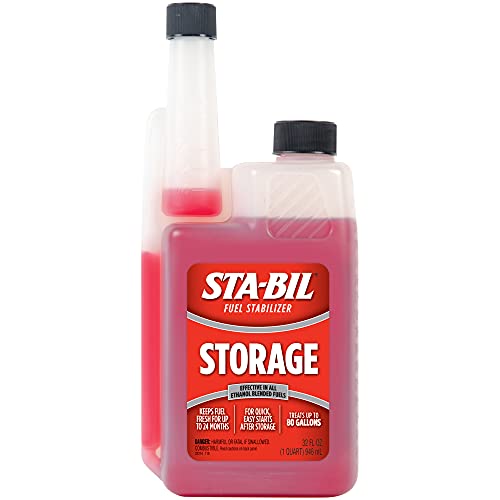
STA-BIL Storage Fuel Stabilizer is designed for long-term storage, offering up to 24 months of fuel freshness. Its formulation protects engines from corrosion and damage caused by ethanol-blended fuels. It is suitable for use in 2-cycle and 4-cycle engines, making it a versatile option for boats, generators, and lawn equipment. The product claims to replace specific models and deliver corrosion protection across a range of fuel systems.
STA-BIL Storage Fuel Stabilizer (8 oz) For Extended Storage
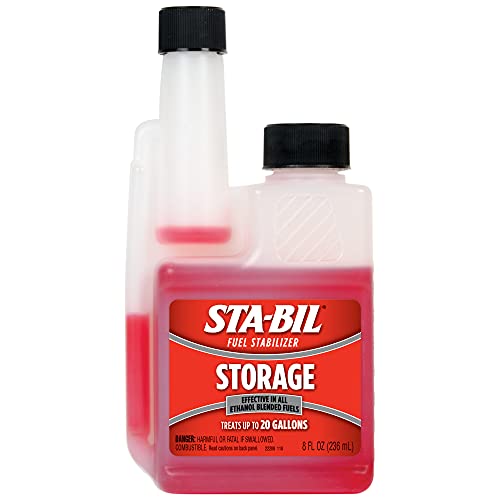
This 8-ounce bottle focuses on essential storage needs, preserving gasoline for up to 24 months while guarding the fuel system against ethanol and non-ethanol fuel-related corrosion. The formula supports quick starts after storage and aims to maintain system integrity in vehicles, boats, and outdoor equipment during off-season storage.
Star Tron Enzyme Fuel Treatment (Regular Gas, 8 oz)

Star Tron Enzyme Fuel Treatment uses advanced enzyme technology to enhance starting and running performance after storage. It specifically targets ethanol-related issues and helps keep fuel delivery systems clean by removing gum and varnish buildup. The 8-ounce bottle treats up to 48 gallons, making it well-suited for mid-size storage needs in cars, boats, and lawn equipment.
Ethanol Shield Fuel Stabilizer (24 oz, 2 Pack)

Ethanol Shield introduces a newer standard of antioxidants and anticorrosives, designed to reduce oxidation and phase separation in ethanol-blended fuels. The detergent components aim to minimize higher-octane requirements as engines age, while a phase separation inhibitor helps maintain fuel consistency during storage. The 2-pack provides a longer storage option for multiple tanks.
Star Tron Enzyme Fuel Treatment (Small Engine Formula, 16 oz)

This 16-ounce bottle treats up to 96 gallons and is tailored for small engines like those in lawn equipment and generators. It rejuvenates old gasoline, stabilizes fuel for storage, and curbs ethanol-induced issues, supporting easier starts and smoother operation after storage breaks.
Star Tron Stabilizer+ Fuel Storage & Corrosion Protection

Star Tron Stabilizer+ adds an extra layer of protection with enzymes that stabilize fuel and combat moisture, gum, and varnish. The formula includes corrosion inhibitors to guard metal surfaces during storage, making it a robust choice for motorcycles, boats, and seasonal equipment kept in storage for extended periods. It’s designed for straightforward dosing—simply add to fuel before storage.
Buying Guide: Key Considerations For Long-Term Fuel Storage
- Storage duration: If you plan to store fuel for more than six months, prioritize stabilizers labeled for long-term use (up to 24 months).
- Fuel type compatibility: Check compatibility with ethanol-blended fuels common in the US, and verify suitability for your engine type (gasoline, 2-stroke, 4-stroke).
- Corrosion protection: Look for formulations that include corrosion inhibitors to protect metal components in the fuel system and storage tanks.
- Deposit control: Enzyme-based and detergent-heavy formulas help remove gum, varnish, and carbon deposits, improving starting reliability after storage.
- Ease of use: Consider single-use bottles for seasonal gear or multi-pack options for multiple machines. Dosing instructions should be clear and straightforward.
- Environmental and safety notes: Review packaging and disposal guidelines, and ensure compatibility with any fuel system materials in your equipment.
- Start-up performance: Some products emphasize quick starts after storage; others focus more on long-term deposit control. Choose based on your priority—ease of restart or engine cleanliness.
- Versatility: If you own multiple engine types (cars, boats, lawn equipment), a multi-formula approach (stabilizers plus enzyme treatments) can simplify storage maintenance.
When selecting a gas treatment for storage, consider your storage duration, the types of equipment you own, and how you plan to restart stored engines. The listed products offer a range of stabilizing, anticorrosive, and deposit-control benefits to help keep fuel systems healthy through prolonged storage.