Answering the need for reliable pump testing tools, this guide highlights practical, instrument-grade options that help technicians verify fuel pump pressure and system integrity. Aimed at workshop technicians, fleet mechanics, and hobbyists, these devices support troubleshooting fuel delivery, vacuum, and electrical circuits. The top picks below focus on compatibility with common vehicle systems, durability, and ease of use. Use the buying table to compare key features at a glance and choose the best fit for your workflow.
| Product | Best For | Key Benefit |
|---|---|---|
| HFS Fuel Pump Tester Gauge Kit | Small shops, DIYers | Compact 3-1/2″ gauge with 24″ vacuum hose |
| BETOOLL 0-140PSI Tester Kit | Pro mechanics, diverse vehicles | Universal adapters for most systems |
| 8MILELAKE Fuel Pump and Vacuum Tester | Fleet maintenance | Compact design with 10 PSI and 28″ vacuum readouts |
| Power Probe III Clamshell | Electrical diagnostics | Digital voltmeter and comprehensive circuit testing |
| Delphi Electric Fuel Pump | OE-backed reliability | Robust in-line 12V diesel suitability |
HFS Fuel Pump Tester Gauge Kit for Cars and Trucks

The HFS kit provides a 3-1/2″ pressure gauge and a 24″ vacuum hose to test fuel pump output up to 10 PSI and engine vacuum up to 28″ Hg. Adapters are included to fit a broad range of vehicles. Best for independent shops and DIY enthusiasts who need a straightforward, compact tester for fuel pressure and vacuum checks. A potential limitation is the 10 PSI ceiling, which may not suit high-volume fuel systems.
BETOOLL 0-140PSI Fuel Injector Tester Kit

The BETOOLL kit is designed for a wide range of fuel injection systems and engines, with adapters and hoses covering most vehicles. This makes it suitable for professional mechanics, shops, and technicians who service multiple vehicle types. The kit’s versatility is offset by a note to verify valve sizes and pressure specs before purchase, as some vehicles may not be compatible with the included adapters.
8MILELAKE Fuel Pump and Vacuum Tester
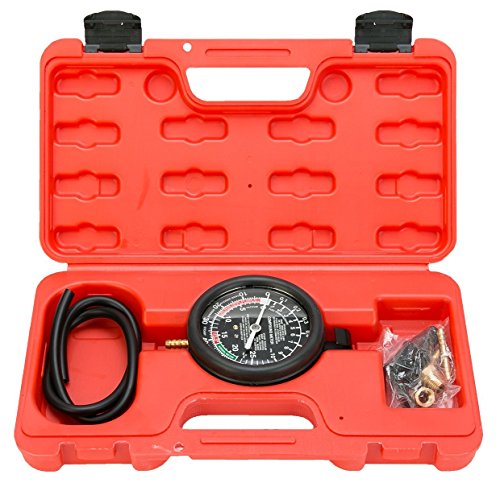
This tester combines fuel pressure and vacuum measurements in a compact unit, ideal for shop benches or on-site diagnostics. It reads up to 10 PSI and 28″ vacuum with a 3-1/2 inch display for quick verification. Best for technicians who want a simple, all-in-one tester with clear, readable gauges. Limitations include a relatively low pressure range for fuel systems requiring higher testing pressures.
Power Probe III Clamshell

The Power Probe III is a versatile electrical diagnostic tool with a digital voltmeter, Min/Max, audible monitoring, and a 4mm banana jack. It suits scenarios requiring quick electrical system checks alongside traditional pump diagnostics. Best for technicians who need a single handheld device to diagnose circuits, wiring faults, and sensor signals. Caution: not a dedicated fuel pressure tester, so use alongside a dedicated pump tester for complete fuel system evaluation.
QPKING Smoke Leak Detector SDT100 (EVAP Tester)

While primarily an EVAP smoke tester, this compact, portable device aids in diagnosing leaks in fuel systems linked to evaporative emissions. It is designed for storage efficiency and ease of transport, making it suitable for small shops and mobile technicians. Best for confirming leaks alongside pressure tests. A limitation is that it is not a direct fuel pressure gauge and should be used as a complementary tool.
Fill-Rite FR1210HA 12V Transfer Pump

The Fill-Rite FR1210HA is a robust 12V transfer pump with a 15 GPM rate, designed for durable operation in demanding environments. It includes a discharge hose and automatic nozzle, suitable for fueling tasks and backup pressure testing workflows where steady transfer is needed. Best for workshops requiring reliable pumping alongside testing capabilities. Limitation: it is primarily a transfer pump, not a dedicated gauge kit.
Delphi Electric Fuel Pump FD0009
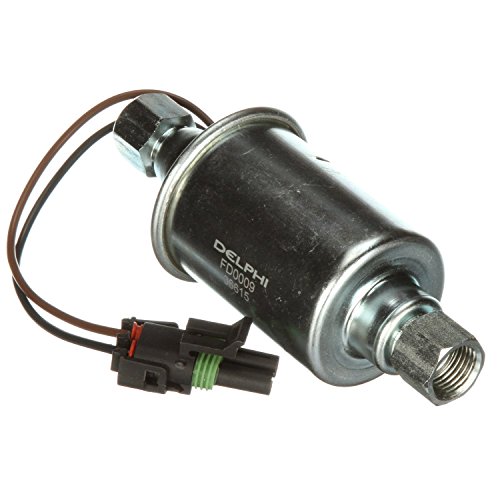
The Delphi FD0009 is an OE-backed fuel pump designed for inline 12V diesel applications. It emphasizes reliability, durability, and compatibility with heavy-duty diesel systems. Best for fleets and maintenance operations that require consistent fuel delivery components. Caution: verify fitment and application notes for diesel engines to ensure correct installation.
Buying Guide
What type of tester do you need?
- Fuel pressure and vacuum testers: Use these for measuring pump output pressure and engine vacuum to diagnose fuel delivery issues.
- Electrical diagnostic tools: Pair with pump testers when diagnosing wiring, sensors, and circuit faults that affect fuel systems.
- All-in-one vs. dedicated devices: All-in-one tools save space, but dedicated testers often provide more precise readings for specific parameters.
How to choose the right range and adapters?
- Check vehicle compatibility: Ensure adapters fit your vehicles’ valve sizes and pressure ranges.
- Consider the maximum test pressure: Some systems require higher than 10 PSI; choose accordingly or supplement with other testers.
- Portability and durability: For mobile technicians, weight and rugged housing influence usability in the field.
What about built-in features?
- Digital readouts vs. analog gauges: Digital readouts offer precise numbers; analog gauges are quick to read at a glance.
- Vacuum readouts: Some testers include vacuum measurements; these help diagnose manifold leaks and injector timing issues.
- Storage and kit contents: A kit with hoses, adapters, and storage cases facilitates quick maintenance and organization.
FAQ
- What is the typical use for a fuel pump tester kit?
To verify fuel pump output pressure and engine vacuum, ensuring proper fuel delivery and diagnosing pump or line issues.
- Are these testers compatible with all vehicle brands?
Most kits include adapters to fit a wide range of vehicles, but some vehicles may require specific valve sizes or higher pressures.
- Can a tester replace a professional diagnostic tool?
A tester provides essential measurements, but complex diagnostics may require additional electrical or engine management tools.
- Is a higher PSI gauge always better?
Not necessarily; use the gauge range appropriate for the vehicle’s fuel system. Some systems operate under low PSI.
- Should I use a smoke leak tester with fuel pump testing?
Yes, as a complementary check for evaporative leaks that can affect fuel system performance.
- Do these tools require calibration?
Most consumer-grade testers do not require frequent calibration, but refer to manufacturer guidelines for maintenance.