Choosing the right fiber reinforcement can dramatically improve concrete performance by reducing cracking, increasing impact resistance, and enhancing durability in both residential and commercial projects. This guide highlights five top-rated fiberglass and polypropylene options designed to work with cement mortar and concrete mixes. Each pick offers corrosion resistance, improved density, and easier handling to help you achieve long-lasting results in floors, walls, and structural elements.
The following table summarizes the five featured products, including their key benefits and typical applications. Use it as a quick reference when comparing options for your project.
| Product | Core Benefit | Typical Use | |
|---|---|---|---|
| 5Lb Fiberglass Concrete Fiber Reinforcement | JUNJIAHAOZHU | Acid/alkali resistance; improved seismic and impact performance | Residential and commercial floors, exterior walls |
| UPTTHOW Fiberglass for Cement Mortar | UPTTHOW | Anti-seepage; reduced cracking; high impact resistance | Building walls, gardens, basements, wet areas |
| BOHUIZ Concrete Fiberglass 6.6 Lb | BOHUIZ | Dense cement network; enhanced impermeability and frost resistance | Concrete walls, floors, and structural components |
| NEZUIBAN Glass Fiberglass 2.5 Lb | NEZUIBAN | High-strength, acid/alkali resistance; improved seismic performance | Countertops, exterior walls, decorative pours |
| GIEHOUGRIO Polypropylene Fiber | GIEHOUGRIO | Anti-seepage; reduced cracking; easier distribution in mortar | Concrete walls, countertops, basements, wet areas |
JUNJIAHAOZHU 5Lb Concrete Glass Fiber Reinforcement

Concrete Fiber Reinforcement: The glass fibers are designed for concrete applications with acid and alkali resistance, enhancing impact and earthquake resistance. They add strength to cement mortars and are suitable for various building projects.
Crack and Seepage Prevention: Incorporating fiberglass into mixes improves anti-seepage performance and crack prevention, supporting the long-term structural integrity of floors and exterior walls.
Wide Compatibility: This fiberglass reinforcement is suitable for residential and commercial applications, reinforcing cement mortar in numerous concrete projects and environments.
UPTTHOW Fiberglass For Cement Mortar Reinforcement
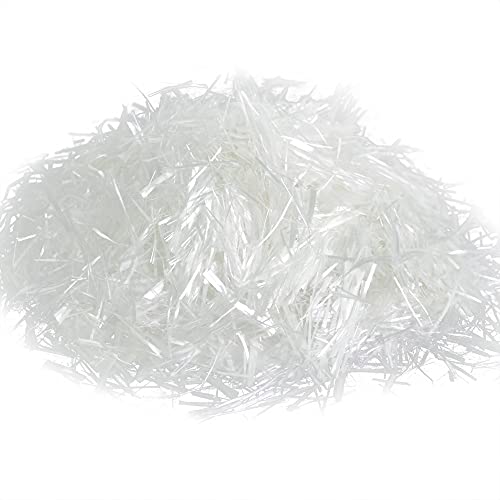
Anti-Cracking Performance: Fiberglass dispersed in mortar helps toughness and inhibits fine crack formation, improving long-term durability in mortar and concrete mixes.
Waterproof and Impermeable: The fiber network increases cement density, reducing penetration and improving resistance in wet areas such as basements and exterior walls.
Impact and Seismic Resistance: Dense fiber filaments interlock to form a strong matrix, enhancing impact resistance and seismic performance for floors, walls, and structural components.
BOHUIZ 6.6 Lb Concrete Fiberglass Reinforcement

Concrete Fiber Reinforcement: Engineered for concrete applications to boost impact and earthquake resistance while helping prevent cracking and extending service life of surfaces.
Improved Impermeability: The 3/4 inch fibers increase cement density, solving penetration issues and enhancing frost resistance for durable outdoor and indoor applications.
Ease Of Use: The fibers are designed for straightforward mixing with cement, requiring simple water adjustment to achieve a uniform reinforcement in typical mixtures.
NEZUIBAN 2.5 Lb Glass Fiberglass For Concrete

High-Strength Fiberglass: AR-Glass chopped strands provide ready-to-mix reinforcement with alkali resistance, increasing the concrete’s seismic and impact performance.
Versatile Applications: Suitable for countertops, patios, exterior walls, and decorative concrete projects—delivering reinforcement where density and toughness matter.
Permeability Reduction: The fiber network reduces water penetration, aiding durability in freeze-thaw cycles and long-term wear.
GIEHOUGRIO Polypropylene Fiber For Cement

Crack Prevention In Mortar: Polypropylene fiber disperses evenly in mortar, increasing vibration resistance and reducing cracking in masonry projects and floors.
Anti-Seepage Performance: The fibers raise cement density, helping limit infiltration in wet areas such as basements, walls, and exterior surfaces.
Easy Integration: The 19 mm length and uniform material provide predictable performance in a range of cementitious mixes and construction environments.
Buying Guide: Key Factors When Selecting Concrete Fiber Reinforcement
Fiber type matters. Fiberglass fibers offer strong crack control and seismic resistance, while polypropylene fibers excel at improving density and reducing seepage. Consider your project’s exposure, climate, and load requirements when choosing a fiber length and dosage.
- Fiber length and dosage: Shorter fibers mix evenly and are easier to disperse; longer fibers can provide greater toughness but may require careful mixing.
- Chemical resistance: In acidic or alkaline environments, select fibers designed for chemical stability to maintain performance over time.
- Water and moisture exposure: Damp or wet areas benefit from fibers that enhance impermeability and reduce capillary action.
- Application: Walls, floors, and outdoor structures have different reinforcement needs. Match product specs to the intended use.
- Compatibility with mixes: Some fibers are designed for dry mixes, while others are added to ready-mix or mortar blends; check your workflow.
- Ease of use: Look for fibers that distribute evenly and require minimal adjustments to achieve consistent reinforcement.
- Environmental considerations: Some fibers offer better long-term durability in freeze-thaw cycles or corrosive environments, influencing lifecycle costs.
In summary, selecting the right fiber reinforcement depends on expected loads, moisture exposure, and environmental conditions. The products above represent a range of options with proven performance for concrete and mortar reinforcement, helping to mitigate cracking and extend service life across various applications.