Choosing the right dust extraction system can dramatically improve air quality, protect equipment, and extend the life of shop vacuums. This guide highlights five solid options designed for woodworking, metalworking, CNC work, and general shop environments. Each product offers strong suction, durable construction, and practical installation features to keep dust under control.
| Product | Brand |
|---|---|
| Mullet High-Speed Cyclone Dust Collector | Mullet |
| Oneida Dust Deputy Compact 15 Gallon | Oneida Air Systems |
| Fein Turbo I Wet/Dry Dust Extractor | Fein |
| Cen-Tec Quick Click 10 Ft Hose | Cen-Tec Systems |
| DEWALT DWH050K Dust Extractor System | DEWALT |
Overview: The table lists five extraction solutions ranging from cyclone-based systems that pre-separate debris to versatile, all-in-one vacuums designed for wet and dry cleanup. Each option is aimed at reducing clogging, improving suction, and facilitating easier connections to common tools and shop vacuums. Consider compatibility with existing equipment, noise levels, mobility, and filtration when selecting a system for your shop.
Mullet High-Speed Cyclone Dust Collector
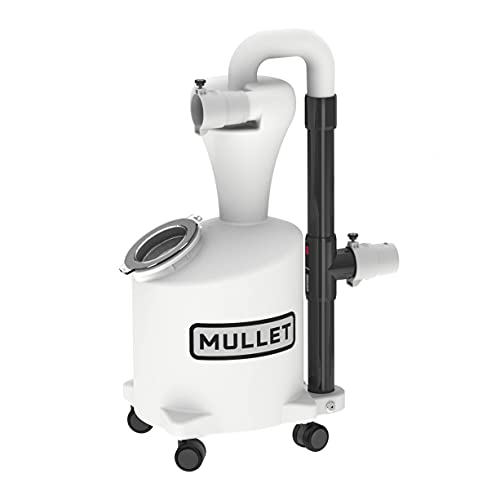
The Mullet cyclone uses a parabolic design to accelerate airflow and enhance dust capture, diverting more debris away from the main vacuum and toward a pre-separation stage. This configuration helps reduce filter loading and maintain strong suction for shop vacs and dust extractors. The unit features a rigid, cut-to-fit PVC connection that promotes an airtight seal and minimizes leaks, which can otherwise degrade performance. It is designed to pre-separate over 99% of debris, translating to longer filter life and less frequent maintenance. In addition, the streamlined construction reduces assembly complexity compared to frayed ductwork and multiple fittings often used in other systems.
Key considerations: Ideal for users needing a straightforward, high-efficiency pre-separator that integrates with standard shop vacuums. The parabolic design improves capture efficiency, and the fixed PVC connection eliminates common leak points. It is best suited for woodworking environments where sawdust and debris are generated in large volumes.
Oneida Dust Deputy Compact 15 Gallon Kit

This compact cyclone kit uses centrifugal force to separate dust from the air before it reaches the vacuum’s filter, helping prevent clogs and suction loss. It includes a 15-gallon fiber drum, a quick-release lid, and a durable mounting setup that works with a broad range of single-stage dust collectors. The kit’s neutral-vane technology enhances separation efficiency by approximately 20 percent, contributing to cleaner air and longer filter life. This option is well-suited for small shops or portable setups where mobility and easy installation are priorities. It’s versatile enough for various dust types, including drywall dust, wood dust, baking flour, and pet hair.
Key considerations: Choose for its compatibility with many 0.5 to 3 HP dust collectors and its ability to reduce filtration demand. Note that performance improves when paired with appropriate ducting and mounting hardware to minimize air leaks.
Fein Turbo I Wet/Dry Dust Extractor
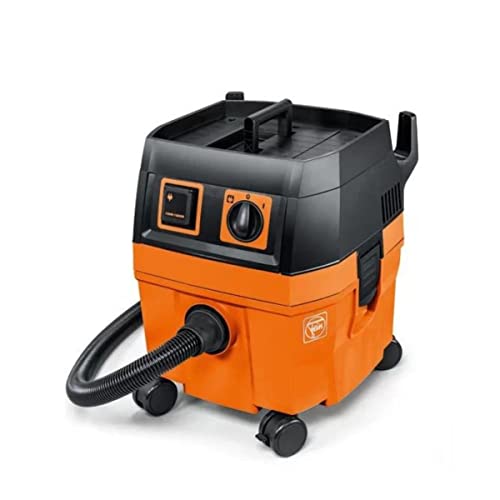
The Fein Turbo I delivers strong suction with a high-performance 1100W turbine producing 151 CFM and 98 inches of water lift, which supports demanding wet and dry cleanup in shop and job-site environments. It operates at lower noise levels (about 66 dB), making it suitable for indoor use where quiet operation matters. The unit comes with a 19-foot power cord and a flexible 13-foot hose, improving reach and reducing the need to switch outlets. This makes the extractor versatile for large shops or spaces with multiple work zones. The combination of suction power and tall filtration performance helps capture fine dust and debris efficiently, increasing the overall air quality in the workspace.
Key considerations: Look for high airflow and adequate filtration for mixed debris. Noise level is a practical factor for shared spaces; ensure the unit’s hose length provides sufficient reach for your tool layout.
OUYANG M1 CNC Dust Extraction Kit

Designed specifically for computer numerical control (CNC) machines, the M1 dust collector/vacuum combines a filtration system and a powerful suction motor to keep the work area clean during carving and milling tasks. It features a built-in filter pad and negative ion generator to produce cleaner discharge air and reduce dust in the workshop. The brushless motor can reach up to 50,000 rpm with a suction power up to 6,000 Pa, allowing efficient collection of wood chips and dust at the source. The kit is suitable for desktop CNC setups and integrates with standard dust collection requirements in hobbyist or professional environments.
Key considerations: Evaluate compatibility with your CNC spindle and motor specifications, along with filtration efficiency for fine dust. A robust power and motor setup is crucial for sustained performance in demanding CNC operations.
Oneida Air Systems Super Dust Deputy Compact Kit
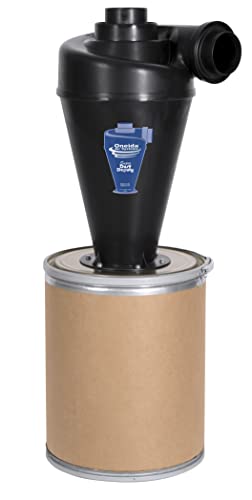
The Super Dust Deputy Compact kit offers a 15-gallon fiber drum and a powerful cyclone mechanism to remove a high percentage of dust before it reaches your dust collector. This reduces filter loading and suction loss, helping maintain consistent performance. It’s designed to work with 0.5 to 3 HP dust collectors from various manufacturers. The attachment includes the necessary drum lid, gasket, adapters, and mounting hardware for straightforward installation. This kit is beneficial when upgrading an existing collector to improve separation and reduce maintenance demands.
Key considerations: This option is a strong middle-ground choice for users seeking improved separation without a full system overhaul. Confirm compatibility with your current dust collector’s horsepower and ducting configuration to maximize benefits.
BMWOOD Universal Dust Hood For Lathe

The BMWOOD dust hood is designed for qualitative dust extraction at the source during lathe work. It features an adjustable, articulated bracket system that allows precise positioning to place the hood directly in the path of flying shavings and dust. The hood measures 230 x 130 mm and uses a 100 mm hose spigot for compatibility with common dust collection hoses. This compact hood is intended to capture dust close to the source, helping to minimize airborne particles and improve air quality around the lathe work zone. The adjustable design supports versatile positioning for different turning operations and material types.
Key considerations: This accessory is best used for turning and sanding tasks where close-range extraction is needed. Ensure your lathe and hoses are compatible with the 100 mm spigot and that the hood can be positioned without obstructing work clearance.
Buying Guide: Key Purchase Considerations And Comparisons
When selecting a dust extraction system, consider function, fit, and workflow integration. This guide highlights important decision points and how different systems compare across common use cases.
- Extraction Type: Cyclone pre-separators, like the Mullet and Oneida Dust Deputy kits, excel at reducing filter loading by removing most debris before it reaches the vacuum filter. Standalone wet/dry vacuums, such as Fein and DEWALT units, provide integrated solutions with powerful suction but may require more attention to noise and mobility.
- Filtration And Air Quality: Systems with robust cyclone stages or advanced separators deliver cleaner air and longer filter life. For CNC and small-part work, a solution with a dedicated filtration pad or negative ion generator can help maintain a healthier workshop environment.
- Compatibility: Check horsepower, hose sizes, and duct connections to ensure compatibility with existing tools and vacuums. Universal hoses and adapter sets (like Cen-Tec) can offer flexibility for multi-brand setups, but verify that you have appropriate fittings for your workflow.
- Mobility And Setup: For mobile shops or multi-room setups, consider units with wheels, compact footprints, or lightweight components. Larger cyclone kits may be powerful but require more space and permanent mounting.
- Noise And Comfort: Indoor workspaces benefit from lower-noise models. Look for units with noise ratings around 60-70 dB or specifically marketed for quieter operation when planning long sessions.
- Maintenance And Longevity: Pre-separation reduces filter changes, while robust housings and high-quality seals minimize air leaks. Consider long-term maintenance costs, including filter replacements and drum liners.
- Specialized Needs: For CNC machines or lathe work, dedicated dust extraction accessories and tailored kits (like the OUYANG M1 or BMWOOD hood) can significantly improve source capture and air quality near the work zone.
In summary, cyclone-based systems are highly effective for heavy debris and broad workshop use, while integrated vacuums offer strong suction with simpler setups. When choosing, align the system with your primary tasks (woodworking, CNC, metalworking), the size of your space, and how you plan to route dust to your collector. The right combination can reduce filter maintenance, lower emissions of fine dust, and create a cleaner, safer workspace.