Answering your search for durable epoxy and sealer supplies, this guide highlights five high‑performing products ideal for wood restoration, hull and deck sealing, and resin art coating. Each pick is best for different project needs—from heavy‑duty marine sealing to quick‑set residential projects. The top choices include penetrating epoxies for rot repair, clear sealers for resin art, and fast‑curing sealants for DIY work. A quick comparison table is provided below to help you decide at a glance.
| Product | Best For | Key Benefit |
|---|---|---|
| Travaco RM330K Marine-Tex Gluvit | Hull and deck sealing | Barier coat with wide material compatibility |
| RTG Wood Rot Repair Epoxy | Rot repair on damaged wood | Deep penetration and strong structural restoration |
| Counter Culture Quick Coat Sealer | Resin art and small projects | VOC‑free, non‑yellowing surface |
| Smith’s CPES | Porous surfaces and wood priming | Low viscosity for deep penetration |
| WiseBond Quick Set Seal | Fast curing resin projects | Accelerated drying for quick turnaround |
Travaco RM330K Marine-Tex Gluvit Waterproof Epoxy Sealer – 2 lbs.
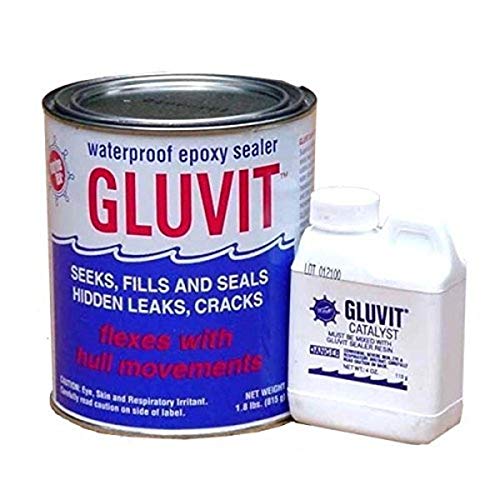
Best For: Marine hulls, decks, and aluminum or fiberglass structures that require a reliable barrier coat. The Gluvit system is designed to seal leaky seams and rivets and provide durable protection for multiple substrates including fiberglass, wood, aluminum, and steel.
Why chosen: This product offers a robust barrier coat that can seal leaks and prevent water intrusion on boat hulls and decks. Choosing this is advantageous when you need a single sealer that works across common marine materials.
Limitations: The data notes barrier performance; performance specifics may vary across different vessel conditions. Ensure surface compatibility before application.
RTG Supply Co – Wood Rot Repair Epoxy (Quart)
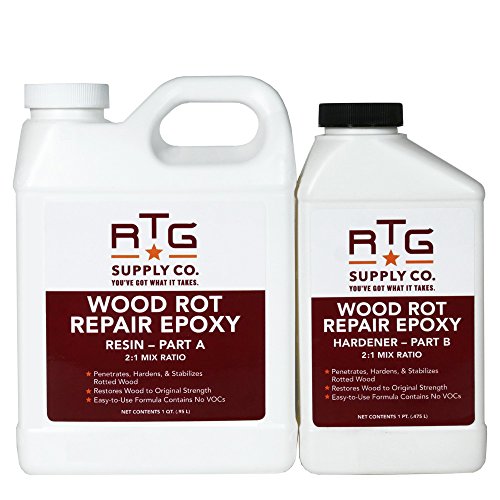
Best For: Deep rot damage in softwoods and hardwoods where structural restoration is required. This two‑part epoxy penetrates to stabilize and harden compromised wood.
Why chosen: It restores structural integrity by penetrating deeply and curing into a rigid, waterproof solid—making it suitable for rot‑affected areas in boats, furniture, or structural wood.
Limitations: Since it’s a two‑part system, accurate mixing and working time management are essential to avoid wasted material.
Counter Culture DIY Clear Quick Coat Sealer for Resin Art

Best For: Resin art projects, tumblers, signs, and small coatings that require a crystal‑clear, non‑yellowing top coat. It also serves as a protective base for next resin layers.
Why chosen: The Quick Coat sealer is VOC‑free and provides a stable, clear surface ideal for subsequent resin pours. It’s versatile for various small craft applications beyond resin art.
Limitation: It’s formulated for thin surfaces; larger areas may require additional coats for uniform sealing.
Smith’s Original Clear Penetrating Epoxy Sealer (CPES) 2 Pint

Best For: Porous surfaces and rot‑prone wood; an essential pre‑primer step for restoration projects. It penetrates deeply to create a stabilized base before finishing coats.
Why chosen: Its low viscosity enables deep penetration into porous substrates, improving long‑term bonding and rot resistance for wood restoration and boat repair projects.
Limitation: Requires careful mixing and timing; improper handling can affect cure quality.
TotalBoat Clear Penetrating Epoxy Wood Sealer

Best For: Rot repair and wood preservation across softwoods and hardwoods, including butcher block and plywood. The two‑part system seals, hardens, and protects.
Why chosen: Its marine‑grade resin is suitable for boat restoration and heavy wood repairs while remaining low in VOCs and fumes.
Limitation: Requires proper mixing and a controlled curing environment for optimal results.
MAS Epoxies Penetrating Epoxy Resin Wood Sealer

Best For: Wood sealing and rot restoration across a spectrum of woods. It pairs well with finishes to extend durability and finish life.
Why chosen: The two‑part system provides penetrating sealing and hardening benefits while being VOC‑free, making it suitable for indoor and outdoor woodworking projects.
Limitation: Like other penetrating epoxies, careful surface preparation improves success; application timing is essential for best results.
Flex Seal Epoxy Extreme Liquid

Best For: Automotive, marine, plumbing, and home repairs requiring a strong, chemical‑ and fuel‑resistant epoxy bond. Cures to a durable, watertight seal.
Why chosen: It offers high bonding strength and热 resistance, making it a versatile option for multiple repair scenarios where a robust bond is needed quickly.
Limitation: The syringe format may be less convenient for large surface areas; plan accordingly for bigger jobs.
Buying Guide
What to consider when choosing epoxy and sealer supplies:
- Surface type and condition: Porous woods, fiberglass, metal—each needs a formulation designed for maximum penetration or barrier formation.
- Coating purpose: Rot repair, hull sealing, resin art finishing, or general DIY repairs require different resin viscosities and curing profiles.
- Working time and cure time: Faster cures improve throughput but shorten work windows. Choose a system that matches your skill level and project pace.
- VOC and fumes: For indoor use, low‑VOC options reduce odors and exposure risks while still delivering strong performance.
- Finish compatibility: Some sealers prime surfaces for paints or varnishes; others provide a clear finish ideal for resin pours.
- Application method: Mixing ratios, pot life, and surface prep requirements influence overall project success. Proper ventilation and PPE are recommended.
Practical buying tips:
- For rot repair on wood, start with a penetrating epoxy sealer to stabilize the substrate, followed by a hardener or barrier coat as needed.
- When sealing a marine hull, prioritize products designed for water exposure and multiple substrate compatibility.
- For resin art or small crafts, opt for VOC‑free sealers to prevent yellowing and ensure clear layers between pours.
- Always follow mixing ratios and cure times precisely to avoid soft spots or incomplete sealant cures.
FAQ
- What is the difference between penetrating epoxy and barrier coat epoxy?
– Penetrating epoxy soaks into substrate to stabilize and strengthen; barrier coats form a protective film on the surface. - Can I use epoxy sealer on metal hulls?
– Some products are designed for metal, but verify substrate compatibility for each item before use. - Is a clear sealer necessary for resin art?
– A clear sealer helps lock in art, prevent movement, and provide a smooth base for additional resin layers. - Do epoxy sealers have VOC concerns?
– Some are VOC‑free or low VOC; check product specifications if indoor use and air quality are priorities. - How do I choose between fast‑set and slow‑set epoxies?
– Fast‑set epoxies are ideal for quick turnaround projects; slow‑set options allow longer working time for complex applications. - Are there safety precautions I should follow?
– Use in well‑ventilated areas, wear gloves and eye protection, and follow the manufacturer’s safety data sheet.