Sorting cattle requires tools that guide animals calmly without causing stress. The following cattle sticks and related tools are among the most trusted options for show rings, sorting pens, and handling tasks. This article highlights five strong choices, compares their design features, and offers practical buying tips to help you select the right tool for your operation.
| Product | Brand | Key Benefit |
|---|---|---|
| HOT-SHOT Livestock Show Stick | HOT-SHOT | Humane guiding, comfortable grip |
| Unlimited Genetics Fiberglass Sorting Stick | Generic | Lightweight fiberglass shaft, 53″ |
| West Thorne Pro Livestock Prod | West Thorne Pro | Low-intensity signaling, durable and portable |
| HOT-SHOT Sho-Stic (Adjustable) | HOT-SHOT | Adjustable length, humane handling |
| Hot-Shot 2-Pack Collapsible Sho-Stik | Miller Manufacturing | Collapsible design, golf-style grip |
These selections provide a range of materials, grips, and lengths to fit different cattle, show formats, and personal preferences. When choosing, consider weight, grip comfort, durability, and how easily the stick cleans between uses. The following sections break down five top options with practical details to help you compare at a glance.
HOT-SHOT Livestock Show Stick

The HOT-SHOT Livestock Show Stick offers a humane approach to guiding cattle during shows or sorting tasks. It features a comfortable golf-style grip for extended use and a vinyl-covered shaft that protects the pole and facilitates easy cleaning. The 54-inch length is versatile for handling larger cattle from a safe distance, helping handlers direct movement without causing discomfort or distress to the animal.
Unlimited Genetics Fiberglass Sorting Stick 53″

This fiberglass sorting stick weighs less and is sturdy enough for frequent handling tasks. At 53 inches, it provides solid reach for guiding livestock while keeping the handler at a comfortable distance. Its fiberglass construction resists weather and wear, making it suitable for show rings, farms, and transport situations where durability matters.
West Thorne Pro Livestock Prod with LED Light
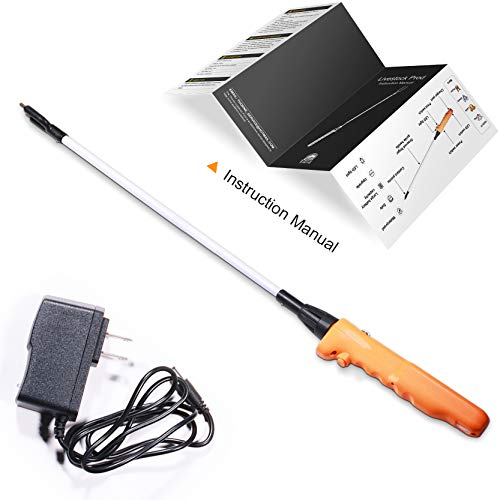
The West Thorne Pro Livestock Prod combines practical electronics with a proven design. It uses a gentle, low-intensity signal to encourage movement, reducing stress on cattle. A durable build and ergonomic handle provide reliability in busy handling environments, with a removable stick and handle for easier transport and storage. The LED light adds visibility in dim conditions, which can improve handling precision during early morning or late-day tasks.
HOT-SHOT Adjustable Sho-Stic

The Adjustable Sho-Stic from HOT-SHOT is designed for guiding and positioning cattle for showing. It offers a humane approach with quick response and a comfortable golf-style grip paired with a glass-filled aluminum hook. The adjustable length provides flexibility for different show rings or handling setups, making it a versatile option for handlers who work with cattle of varying sizes.
HOT-SHOT Adjustable Sho-Stic

Another color variant of HOT-SHOT’s adjustable Sho-Stic, this red edition preserves the same humane guiding capability and quick responsiveness. The comfortable grip and adjustable length make it a practical choice for riders and show participants who need precise control without injuring the animal. The design supports efficient positioning and movement during a show or sorting session.
Hot-Shot 2-Pack Collapsible Sho-Stik
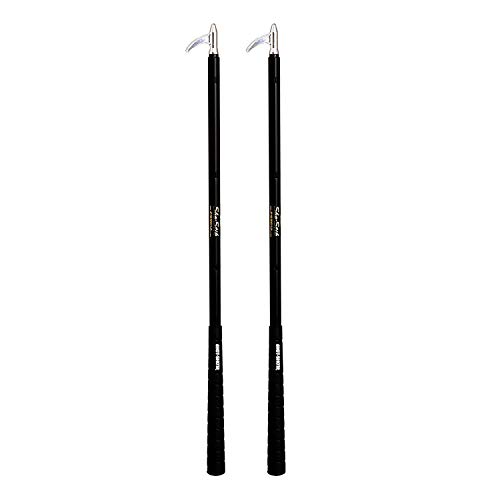
The 2-pack collapsible Sho-Stik by Hot-Shot combines portability with solid performance. The collapsible design and a glass-filled aluminum hook provide reliable control with a comfortable golf-style grip. This option is well-suited for handlers who need to store sticks compactly or travel between locations while maintaining consistent handling quality for cattle and horses alike.
Buying Guide: Key Considerations For Cattle Sorting Sticks
When selecting cattle sticks for sorting, consider the following factors to ensure you choose a tool that matches your needs and handling style.
- Length and reach: Longer sticks offer separation distance from larger cattle, but shorter sticks can provide precision in tight spaces. Choose a length that aligns with your typical working environment and animal size.
- Material and durability: Fiberglass and aluminum are common for light weight and strength. Metal hooks and reinforced joints improve longevity in frequent use.
- Grip and ergonomics: A golf-style grip reduces hand fatigue during long sorting sessions. An ergonomic handle can prevent slipping and improve control.
- Ease of cleaning: Vinyl coverings and smooth surfaces simplify disinfection between uses, which is important in maintaining hygiene in barns and shows.
- Humane handling and safety: The goal is to guide rather than force. Look for sticks designed to elicit quick, non-hurtful responses from cattle, with a design that minimizes stress.
- Portability and storage: Collapsible designs or removable components offer easier transport and storage, benefiting handlers who move between locations.
- Compatibility with show routines: Some sticks are optimized for guiding and positioning during shows, while others focus on general livestock movement. Consider your primary use case.
- Maintenance needs: Some models require minimal maintenance, while others involve more parts. Factor in maintenance time as part of total cost of ownership.
- Battery or electronics: If selecting a prod-type option with LED or electronic signaling, review battery life, charging methods, and safety features to ensure reliability in field use.
- Warranty and replacements: Check warranty terms and availability of replacement parts, especially for frequently used components like hooks and grips.
In practice, the best choice depends on your operation size, cattle temperament, and whether you value portability over reach, or vice versa. For show environments, emphasis on humane handling, grip comfort, and visibility in dim conditions can improve performance and reduce stress for animals. For routine sorting on the farm, durability, ease of cleaning, and reliability may take precedence. Evaluating these aspects helps align a tool with your management goals and training style.