Selecting the right anti foaming hydraulic oil additive or fluid can help maintain system efficiency, reduce heat buildup, and extend oil life. This guide highlights five dependable products designed to minimize foaming and improve overall hydraulic performance. Each option is chosen for its anti-foam properties, compatibility with standard fluids, and suitability for demanding industrial applications. Below is a quick overview, followed by in-depth product sections and a buying guide to help you compare features, usage, and long-term value.
| Product | Brand | Anti-Foam Benefit | Approximate Volume |
|---|---|---|---|
| ZP-900 Hydraulic Anti-Foam 12 oz | Nitro Nine | Stops foaming | 12 oz |
| CAM2 Promax Premium AW 32 Hydraulic Oil | Cam2 | Foam control | 1 gallon |
| TRIAX Powerflow MV 46 Hydraulic Oil | Triax | Virtually zero foaming | 1 gallon |
| CAM2 PROMAX AW 32 5 Gallon Pail | Cam2 | Foam control with anti-wear protection | 5 gal |
| Hapco Hydraulic Oil – 1 Gallon | Hapco | Heat stable, corrosion prevention | 1 gal |
ZP-900 Hydraulic Anti-Foam 12 oz

The ZP-900 Anti-Foam from Nitro Nine is formulated to quickly curb foaming in hydraulic systems. By reducing foam, it helps lower friction heat and cut fluid loss, supporting steadier pressure control and longer oil life. The product is sized for smaller systems or spot treatments, offering a practical solution when routine maintenance calls for a quick anti-foam boost.
Key considerations: compatibility with standard hydraulic fluids, recommended dosage per system, and the impact on heat generation during operation. Users should follow manufacturer guidance for mixing and recirculation to ensure even distribution and avoid short-term clouding or minor settling.
CAM2 Promax Premium AW 32 Hydraulic Oil

CAM2 Promax Premium AW 32 hydraulic oil emphasizes anti-wear protection while incorporating foam-control technology. This fluid is designed for high-performance hydraulic systems and industrial equipment, maintaining stable operation across varying temperatures. Its anti-foam formulation helps sustain efficient pump performance and reduces the risk of cavitation due to foam formation.
Key considerations: AW-32 grade suitability for your equipment, compatibility with existing seals and materials, and the balance between anti-foam capability and anti-wear performance for your specific duty cycle. Routine testing can verify that foam suppression remains effective during peak load conditions.
TRIAX Powerflow MV 46 Hydraulic Oil

TRIAX Powerflow MV 46 is a multi-viscosity hydraulic oil built for extended service life and robust anti-wear properties. It is described as having virtually zero foaming, an essential feature for preventing air entrainment and maintaining consistent hydraulic pressure. The formula includes a booster pack for anti-wear performance and a high viscosity index to minimize foam-related issues across temperature changes.
Key considerations: anticipated operating temperatures, viscosity needs at startup vs. high-load conditions, and whether the extended-life formulation aligns with maintenance schedules and equipment type. The product’s long life may help reduce oil changes in demanding applications, but verify compatibility with your system’s seals and metals.
CAM2 PROMAX AW 32 Hydraulic Oil, 5 Gallon Pail

This CAM2 Promax AW 32 5-gallon pail extends the anti-foam and anti-wear benefits across larger systems. The formulation emphasizes a high viscosity index for stability across temperatures and robust oxidation and corrosion inhibitors to extend oil life. For facilities with frequent maintenance cycles or larger hydraulic networks, this option provides long-term reliability and consistent performance with foam control features.
Key considerations: storage handling for multi-gallon batches, compatibility with hoses and seals, and ensuring the system can accommodate the oil’s viscosity profile across seasonal temperature ranges. Regular monitoring helps confirm that anti-foam properties persist as the oil ages.
Hapco Hydraulic Oil – 1 Gallon
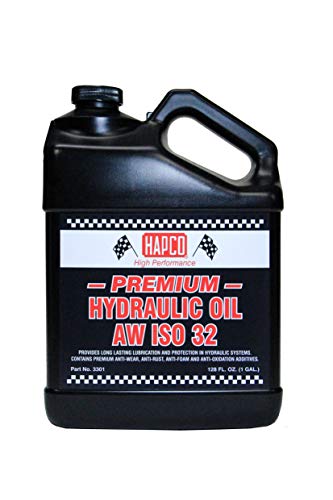
Hapco’s hydraulic oil emphasizes rust and corrosion prevention with heat stability across operating temperatures. While its core focus is protection against degradation and wear, maintaining clean oil helps minimize foam formation indirectly by preserving consistent fluid properties and reducing impurities that can encourage foaming in some systems.
Key considerations: verifying foam control effectiveness for your specific system and ensuring compatibility with existing hydraulic fluids. For environments with aggressive thermal cycles, confirm the blend’s resistance to oxidation and sludge formation to sustain performance over time.
Buying Guide: Key Purchase Considerations
- Foam control performance: Look for explicit anti-foam claims or formulations described as “virtually zero foaming” or “foam control.”
- Viscosity and temperature range: Ensure the oil grade (for example AW 32) and viscosity index suit your equipment’s operating temperatures and load profiles.
- Anti-wear and corrosion protection: In many systems, anti-wear additives and corrosion inhibitors complement foam control to extend life and reliability.
- oxidation stability and life expectancy: Longer service life reduces maintenance intervals, but confirm compatibility with seals and metals.
- Volume and scalability: For large systems, pick higher-volume options (e.g., 5 gallon) to minimize frequent replacements while maintaining foam control.
- Material compatibility: Check that the chosen product is compatible with hoses, seals, and the base hydraulic fluid in use.
- Storage and handling: Consider shelf life, stabilization, and safe storage guidelines for bulk purchases.
- Application context: Spot treatments (smaller canisters) versus bulk hydraulic oil for main reservoirs may require different product types or additives.
- Maintenance implications: Some products offer both anti-foam and anti-leak or anti-wear features; evaluate how these combined benefits align with your maintenance goals.
- Vendor and availability: Ensure access to compatible contact support and reliable supply, particularly for industrial environments.
In selecting an anti-foaming solution, compare how each option complements your existing hydraulic system: foam control effectiveness, wear protection, thermal stability, and expected service life. For facilities with frequent temperature fluctuations or high-pressure cycles, prioritizing products that explicitly advertise zero foaming or robust foam suppression can help maintain pump efficiency and reduce energy use over time.