Aluminum heat transfer plates are key components for efficient radiant floor heating. This guide highlights the best options for American buyers, with clear reasoning on who each product is best for. The top picks focus on 1/2″ and 3/4″ PEX piping, easy installation, and durable aluminum construction to maximize heat distribution and minimize heat loss. The following table summarizes five standout choices.
| Product | ||||
|---|---|---|---|---|
| VEVOR PEX Heat Transfer Plates, 4 ft (100 pcs) | 1/2″ PEX | 4 ft plate length | Aluminum | |
| VEVOR PEX Heat Transfer Plates, 2 ft (100 pcs) | 1/2″ PEX | 2 ft plate length | Aluminum | |
| VEVOR PEX Heat Transfer Plates, 2 ft (200 pcs) | 1/2″ PEX | 2 ft plate length | Aluminum | |
| VEVOR PEX Heat Transfer Plates, 4 ft (for 3/4″ PEX) | 3/4″ PEX | 4 ft plate length | Aluminum | |
| PEX GUY Aluminum 2 ft Omega-Channel Plates | 1/2″ PEX | 2 ft plate length | Aluminum |
VEVOR PEX Heat Transfer Plates, 4 ft, 1/2″ PEX
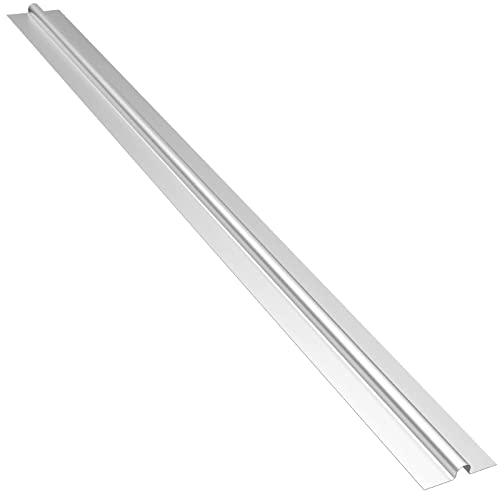
These 4 ft aluminum plates are designed to fit standard 1/2″ PEX tubes (5/8″ OD). A box typically contains 100 pieces, enabling broad coverage for residential radiant floors. The plates use a U-shaped profile to guide PEX layout and aim to reduce heat loss where gaps commonly occur between plates and tubing. Best for larger single-zone installations or when a fast, uniform heat distribution is desired.
Best for: Contractors and homeowners installing or upgrading large radiant-floor sections where even heat spread is critical. Consider this option when you need a proven, uniform heat map across multiple rooms. Caution: Ensure your PEX tubing matches the 5/8″ OD standard and leave appropriate spacing between plates according to project guidelines.
VEVOR PEX Heat Transfer Plates, 2 ft, 1/2″ PEX

This 2 ft plate set also uses aluminum with a 1/2″ PEX compatibility. It comes in a 100-piece configuration, offering easy installation between joists or as a sandwich-type installation. The design prioritizes compatibility with various PEX brands, including PEX-AL-PEX and EVOH barrier pipes. Best for: Smaller or mid-range radiant-floor projects and builders seeking easy cutting and placement. Caution: Leave 1-2 inches of spacing between plates to maintain heat distribution quality.
VEVOR PEX Heat Transfer Plates, 2 ft, 200 pcs

With 200 pieces in a 2 ft length, this option emphasizes high-volume installations without sacrificing even heat distribution. It remains compatible with most 1/2″ PEX tubing brands and supports a wide range of radiant-floor layouts. Best for: Projects that require dense plate coverage for robust heating in larger rooms or multiple zones. Caution: Ensure proper spacing between plates to maintain efficiency.
VEVOR PEX Heat Transfer Plates 4 ft for 3/4″ PEX
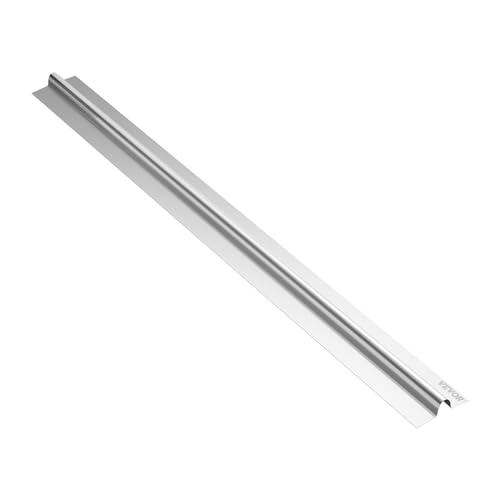
Designed for 3/4″ PEX pipes, these aluminum plates provide even heat distribution across the floor with a U-shaped profile. They can significantly cut heat loss by 30-40% when properly spaced and installed. Best for: Upgrading to a higher-capacity system using larger-diameter PEX lines. Caution: Check piping ID/OD to ensure proper fit and avoid misalignment with the plate slots.
PEX GUY Aluminum 2 ft Omega-Channel Plates

American-made PEX GUY plates emphasize durability and local manufacturing. The 2 ft Omega-Channel design is calibrated for 1/2″ PEX tubing and aims to deliver reliable heat transfer with a straightforward installation. Best for: Buyers prioritizing domestic production and a straightforward, no-nonsense install. Caution: Product availability and shipping may vary by region; verify stock before planning large installs.
VEVOR PEX Heat Transfer Plates, 2 ft, 3/4″ PEX

This 2 ft option is sized for 3/4″ PEX pipes and includes 200 pieces per pack. It maintains the same aluminum, U-shaped design to promote even heat distribution. Best for: Upgrading larger floor areas using 3/4″ piping while maintaining a compact installation footprint. Caution: Confirm pipe OD compatibility (0.681″ ID and 0.685″ OD) before purchase.
Buying Guide: Key Considerations for Aluminum Heat Transfer Plates
- Tube compatibility: Most heat transfer plates target 1/2″ or 3/4″ PEX piping. Verify the ID/OD dimensions of your tubes to ensure a snug fit.
- Plate length and quantity: Longer plates (4 ft) cover more area but may require cutting to fit irregular layouts. For dense floor plans, higher piece counts support even spacing.
- Material and durability: Aluminum plates withstand pressure and resist water penetration, contributing to long-term performance in radiant-floor systems.
- Installation method: Plate placement between joists, as a sandwich layer, or as a surface layer requires spacing between plates (typically 1-2 inches) to optimize heat transfer and thermal expansion.
- U-shaped design: Aims to guide PEX tubes for orderly layout and improved heat distribution, while reducing heat loss through gaps.
- Maintenance and trimming: Many plates are trim-friendly; ensure you can cut to match room dimensions without compromising structural integrity.
- Local compliance and availability: Some brands emphasize U.S.-made products or support for regional installation practices. Verify availability in your area.
Frequently Asked Questions
- What size PEX pipe do these plates work with? Most plates are designed for 1/2″ PEX (5/8″ OD) or 3/4″ PEX pipes. Check the product specs for exact compatibility.
- Why is spacing between plates important? Proper spacing helps maintain consistent heat transfer and reduces thermal bridging or gaps where heat can escape.
- Can I trim the plates to fit my space? Many plates are designed to be cut to length; follow manufacturer guidelines and wear safety equipment during trimming.
- Are aluminum plates suitable for radiant floors in all homes? Aluminum plates offer excellent heat transfer and durability, but ensure your flooring system and joist spacing align with the plate dimensions and installation method.
- Is US-made better for radiant-floor plates? Domestic production can offer shorter lead times and regional support, though performance depends on design and material quality.
- How do I choose between 2 ft and 4 ft plates? Use 4 ft plates for larger, open areas to reduce joints, and 2 ft plates for more complex layouts or tighter spaces where cutting is needed.