Looking for an air powered oil pump that delivers reliable, fast transfers without gasoline or diesel concerns? This guide highlights top options designed for motor oil, hydraulic oil, gear oil, and ATF. Each pick targets different use cases—home garages, shops, or on-site maintenance—so you can choose the right pump for your fluids, barrel sizes, and workflow. Read on to compare flow rates, compatibility, and practical limitations to help you buy with confidence.
| Product | Brand | Best For | |
|---|---|---|---|
| Goodyear Oil Transfer Pump (3.7 GPM) | Goodyear | Medium viscosity oils, home garage use | ~3.7 GPM |
| Goodyear Oil Transfer Pump (3.1 GPM) | Goodyear | Medium viscosity fluids; tight spaces | ~3.1 GPM |
| Graco 24G576 LD Series | Graco | General purpose oils with robust design | 3:1 ratio, high efficiency |
| DYRABREST Heavy Duty Digital Pump | DYRABREST | Filling with precise measurements | Digital flow control |
| FIRSTINFO A1182US Pneumatic Pump | FIRSTINFO TOOLS | 55-gallon drums, portable dispensing | Pneumatic 1:1 ratio |
Notes: The table helps compare capability at a glance. Each option below includes practical pros, best-use scenarios, and a potential limitation to assist you in choosing the right pump for your job. All models are suitable for non-gasoline and non-diesel fluids, including motor oil, synthetic oil, hydraulic oil, gear oil, and ATF in appropriate viscosities.
Goodyear 3.7 GPM Air Operated Oil Transfer Pump
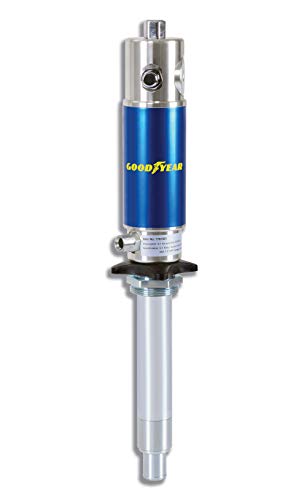
The Goodyear 3.7 GPM air operated pump is designed for motor oil, synthetic oil, hydraulic oil, gear oil, and ATF. It features fewer moving parts to reduce wear and a differential air motor for smooth operation. Best for: home garages and light shop use where steady, moderate flow is needed. Limitation: not suitable for gasoline or diesel fuels.
Goodyear 3.1 GPM Air Transfer Pump (3:1)

This double action, air-operated pump provides a 3:1 flow ratio with up to 3.2 GPM when transferring motor oil, synthetic oil, hydraulic oil, or ATF. It’s self-priming and designed for short- to medium-distance transfers. Best for: compact setups or barrel installations where higher air pressures are available. Caution: follow manual guidance for mounting adapters and safety gear.
Graco 24G576 LD Series Oil Pump

Graco’s LD Series features built-in thermal relief, a large 3-inch air motor, and a self-cleaning pilot valve with an inlet strainer for better protection and easier maintenance. Best for: shops needing dependable, high-flow oil transfer with easy upkeep. Better for: environments where heat buildup is a concern. Limitation: higher upfront complexity due to protective components.
DYRABREST Heavy Duty Digital Oil Pump

This pump offers a digital control valve and a 5-digit LCD display showing volume per fill and total dispensed. It supports various units (L, GAL, PT, QT) and includes a 4-button interface for precise flow management. Best for: industrial settings or garages needing exact dispensing. Caution: data shows 4.4-lb unit; ensure mounting space and power considerations are met.
LAUCO 3:1 Pneumatic Oil Pump
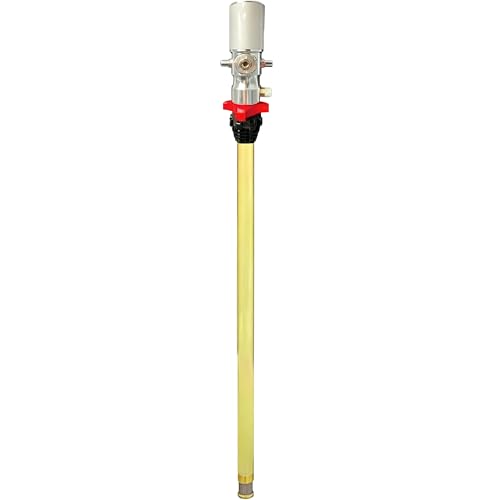
LAUCO’s 3:1 pump is designed for 55-gallon drums, delivering up to 870 PSI with an 18 L/min flow rate for SAE240 fluids and gear oils. Best for: professional shops or service bays that require high-pressure transfer of thick oils. Not for gasoline or diesel. Limitation: 1:1 version is not included; ensure you have proper accessories for mounting and flow control.
Graco 24G588 LD Series Pump

This LD Series model features a large air motor and a built-in thermal relief, along with a self-cleaning pilot valve and inlet strainer for protection and easy maintenance. Best for: reliable, continuous operation in busy workshops. Limitation: may be more than needed for small-scale home use if flow needs are modest.
Buying Guide: Key Considerations For Your Air-Powered Oil Pump
What fluids will you transfer? Ensure the pump supports motor oil, synthetic oil, hydraulic oil, gear oil, and ATF within your target viscosity range. Higher ratios (5:1 or similar) offer faster flow for thicker oils but may require more robust air supply.
What drum size and mounting are you using? Some pumps are designed for 55-gallon drums with bung adapters, while others support wall mounting or carts. Check inlet/outlet sizes and whether adapters are included or sold separately.
What is your acceptable maintenance level? Pumps with built-in thermal relief, self-cleaning valves, and inlet strainers reduce downtime. Digital metering offers precise dispensing but may introduce more components to monitor and replace.
How important is precision? If you need exact volumes, digital pumps with LCD readouts help track dispensed amounts and totals. For simple transfers, a robust analog pump might suffice.
What about safety and compatibility? Follow all manual safety instructions, wear protective gear, and verify that the pump materials resist the specific fluids you use. Avoid gasoline or diesel with units not rated for those fuels.
Frequently Asked Questions
- What fluids can these air pumps handle? Most are designed for motor oil, synthetic oil, hydraulic oil, gear oil, and ATF. Check each model for viscosity limits and recommended fluids.
- Can I use these with 55-gallon drums? Yes, many models include bung adapters and drum compatibility, though some setups may require additional accessories like hoses or extension tubes.
- Do these pumps require electricity? No, they are air-powered and rely on an air supply. Some models include digital controls or meters that operate without electrical power, but others may need a compatible air compressor.
- Is a higher 3:1 vs 5:1 ratio better? A higher ratio (closer to 5:1) generally delivers higher flow for thicker oils, but it may need stronger air pressure. Choose based on oil viscosity and transfer length.
- What safety practices should I follow? Always wear eye protection, secure hoses, and follow the manual’s mounting and pressure guidelines. Use appropriate lubricants and avoid mixing incompatible fluids.
- Are digital pumps worth it for small projects? Digital pumps offer precise measurement and totalized dispenses, which helps manage inventory and reduce waste, but they may add cost and setup steps for simple transfers.