Find the right 8 ton log splitter for your firewood needs. This guide highlights practical picks for homeowners who want reliable splitting for small to medium logs, with clarity on who each model suits best. The top selections cover compact gas, electric, and portable options to balance power, portability, and convenience.
| Product | Best For | Notes |
|---|---|---|
| Champion Power Equipment 8-Ton Compact Horizontal Gas Log Splitter | Gas-powered quick cycles | Auto return, low profile for heavy logs |
| Powerhorse Horizontal/Vertical Electric 8-Ton | All-electric, reliable duty | 12V or 120V setup options |
| SuperHandy 14 Ton Hydraulic Log Splitter | More power for larger logs | Gas or electric variants available |
| SuperHandy 20 Ton Rapid Auto Return | Heavy workloads | Portable full-beam design |
| GarveeTech 12 T Hydraulic Log Splitter | Manual hydraulic budget option | Built-in wheel, full steel beam |
Table notes: Each entry below adheres to practical buyer needs—power, portability, safety, and maintenance. All product sections include a direct comparison to help you choose quickly.
Champion Power Equipment 8-Ton Compact Horizontal Gas Log Splitter

This 8-ton gas-powered model delivers a fast 20-second cycle time and auto-return valve for high-output splitting. The 79cc engine supports up to 180 cycles per hour, making it strong for frequent use. Best for homeowners who want a robust, one-person operation in a small footprint.
- Best for: Quick, repeated cycles with minimal manual effort.
- Why selected: Auto-return and compact design improve workflow for ongoing projects.
- Limitations: Gas engines require regular maintenance and fuel management; heavier than fully electric options.
Powerhorse Horizontal/Vertical Electric Log Splitter — 8 Ton

The Powerhorse 8-ton electric splitter uses a 15-amp motor for reliable splitting with a built-in log cradle to reduce bending. It supports horizontal and vertical operation for diverse cutting angles and is designed for long-term durability with a 2300-watt motor.
- Best for: Electric-only setups where clean, quiet operation matters.
- Why selected: Dual orientation adds flexibility for different wood piles.
- Limitations: Electric power limits may affect performance on very dense logs compared to gas models.
WEN Electric Log Splitter, 6.5-Ton
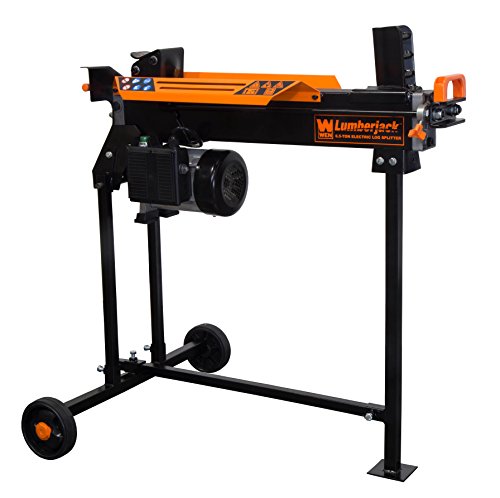
While not strictly 8 tons, this option is included for its value in light-to-moderate workloads and portability. It offers a 15-amp motor and a folding stand that supports easy transport between job sites.
- Best for: Budget-conscious users who need a compact electric option.
- Why selected: Lightweight design and stand add versatility for smaller yards.
- Limitations: Lower tonnage than true 8-ton models; may struggle with very large logs.
SuperHandy 14 Ton Hydraulic Log Splitter

With a 14-ton hydraulic system and rapid auto return, this model is suitable for larger logs and more demanding workloads than typical 8-ton options. It emphasizes portability with an 8-inch transport wheel system and a steel wedge for consistent splits.
- Best for: Homeowners needing extra power beyond 8 tons for larger logs.
- Why selected: Rapid auto return reduces downtime between cuts.
- Limitations: Higher power means more weight and storage space required.
SuperHandy 20 Ton Rapid Auto Return Hydraulic Log Splitter

This 20-ton gas-powered model is built for heavy-duty workloads, with a rapid auto return cycle and a Bucher gear pump for consistent force. It excels when you routinely split large, thick, or knotty logs and need quick cycling for big batches.
- Best for: Large-volume splitting or tougher wood species.
- Why selected: Higher tonnage delivers robust splitting power and faster cycles than smaller units.
- Limitations: Heavier and louder; requires greater storage space and safety considerations for outdoor use.
GarveeTech 12-T Hydraulic Log Splitter

This manual hydraulic option uses a 12-ton splitting force with ergonomic long handles and two-speed operation for leverage. Built-in wheels support mobility on uneven ground and a full steel beam provides solid stability.
- Best for: Budget-conscious users who prefer manual hydraulic power.
- Why selected: Strong splitting power with portable design at a lower price point than motorized units.
- Limitations: Manual operation requires physical effort and may be slower for high-volume tasks.
Buying Guide: Key Considerations For 8 Ton Log Splitters
- Power source: Gas units typically offer mobility and strong cycles, while electric models provide quiet operation and easier maintenance. Choose gas for remote locations or heavy workloads; choose electric for indoor use or quieter operation.
- Portability vs. footprint: If you have limited storage, compare models with compact footprints, built-in wheels, and lightweight frames. Heavier units may need a vehicle or cart for transport.
- log size compatibility: Check the maximum log length and diameter. Larger logs may require higher tonnage or longer beams; smaller yards will benefit from 8-ton-class models with efficient wedges and auto return.
- Safety features: Look for two-handed operation, auto-return, and sturdy log cradles. Ensure proper guarding and a stable stand to reduce injury risk.
- Durability and maintenance: Steel construction and reliable pumps (like Bucher gear pumps) improve longevity. Consider service availability and ease of refueling or recharging.
- Voice of needs: For frequent big splits, higher tonnage space and rapid cycle times reduce downtime. For light occasional use, an 8-ton electric model can be ideal.
FAQ
- What is the difference between 8-ton and higher tonnage log splitters?
Higher tonnage gives more force to split denser wood and larger logs, reducing user effort and time on tough material.
- Is gas or electric better for an 8-ton splitter?
Gas offers mobility and strong cycles for outdoor use; electric is quieter and lower maintenance for yard work.
- Can an 8-ton splitter handle large logs?
Most 8-ton units handle typical firewood ranges (up to about 12 inches in diameter). Always verify log dimensions before use.
- What maintenance is needed for gas-powered splitters?
Regular fueling, oil checks, and engine maintenance are common; follow the manufacturer’s service intervals.
- Are there safety considerations with vertical operation?
Vertical operation can reduce back strain for long logs, but ensure the unit is stable and used with proper guards and supports.
- Do I need a stand or wheels for portability?
Wheels and stands improve mobility; lightweight designs are easier to transport between job sites.