Answering the common question, a 55 gallon diesel drum is ideal for bulk storage of fuels, oils, and related liquids when you need durable, secure containment. This guide highlights five top options, focusing on durability, safety, and practicality for buyers who handle industrial liquids, agricultural chemicals, or large-volume fuel transfers. Read on to see who each product is best for and why.
| Product | Brand | Why It Stands Out |
|---|---|---|
| Bushman 55 Gallon Plastic Drum, Tight Head | BUSHMAN | Durable HDPE construction with tight head lid for leak prevention; versatile for water, chemicals, or oils. |
| Black Steel Drum 55 Gallon Closed-Top | BayTec | Steel with UN/DOT considerations; strong for solids and non-water liquids. |
| Shell Rotella T4 Triple Protection 55 Gallon Drum | Shell Rotella | Diesel engine oil with triple protection and low-ash formulation for modern engines. |
| 55 Gal Steel Drum Open-Head | BayTec | Open-head design for easy filling and access; rust-inhibitor interior for corrosion protection. |
| 55 Gallon Drum Pump (Orion Motor Tech) | Orion Motor Tech | Heavy-duty aluminum barrel pump for quick, controlled transfer of oils and diesel. |
Bushman 55 Gallon Tight Head Plastic Drum

Best for: environments needing a lightweight, corrosion-resistant container for water, chemicals, or oil. The high-density polyethylene construction resists UV exposure and impact, while the closed lid helps prevent leaks and air exposure during storage or shipping. Recommended for indoor or outdoor use in warehouses or farms. Caution: ensure compatibility with the specific chemical or fuel to avoid any degradation of the HDPE material.
Black Steel Drum 55 Gallon Closed-Top

Best for: solids and non-water-based liquids where added rigidity is needed. This steel drum meets certain UN and DOT considerations and includes fittings, making it suited for regulated storage environments or where durability is paramount. Limitation: heavier than plastic drums, which may affect handling and transport in tight spaces.
Shell Rotella T4 Triple Protection 55 Gallon Drum

Best for: bulk storage of heavy-duty diesel engine oil used in modern heavy-duty engines with low-emission systems. The formulation provides protection in acid, deposits, and wear control, which is beneficial for fleets and maintenance facilities. Caution: not a fuel; designed for engine oil, so usability differs from fuel storage needs.
55 Gal Steel Drum Open-Head

Best for: easy access needs where frequent filling or material handling is required. The open-head design offers full interior access and a rust-inhibitor interior coating for basic corrosion protection. Choose this if you need rapid entry and straightforward transfer, but be aware of potential exposure to contents when cap is removed.
55 Gallon Drum Pump (Orion Motor Tech)

Best for: efficient transfer of diesel, oil, and other non-corrosive liquids from 55-gallon drums. Features a three-stage suction tube and high-flow capability up to 6 gallons per minute, with a wood-handled crank for a secure grip. Limitation: not suitable for gasoline or corrosive fluids; verify compatibility with your contents before use.
Orion Motor Tech 55 Gallon Drum Pump (Alternative)
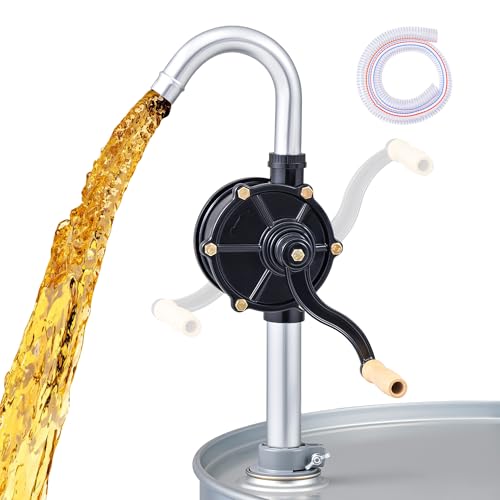
Best for: users needing a second pump option with a different discharge hose length and spout size for various oils and non-corrosive fluids. It shares the same general design goals as the first Orion pump but offers compatibility considerations for different drum setups. Caution: confirm the pump seal integrity if storing long term near potential leaks.
Buying Guide
- Material choice: Plastic (HDPE) drums resist corrosion and are lighter, making them easier to move but may deform with heavy impact. Steel drums offer superior rigidity and are better for harsh environments and UN/DOT-regulated contents, yet are heavier and prone to corrosion if not coated.
- Head design: Closed-head drums minimize leaks and air ingress, suitable for liquids that require tight containment. Open-head drums provide full interior access for fast filling but require more careful handling to prevent spills.
- Lids, seals, and fittings: Look for secure lids, plug closures, and compatibility with your liquids. Fittings and NPS sizes matter if you plan to attach pumps or transfer systems.
- Compatibility: Verify chemical compatibility of drum materials with your contents (diesel, oils, solvents, or water-based products). Some formulations can degrade plastics or corrode steel if not designed for those liquids.
- Bulk handling needs: If frequent filling or dispensing is expected, consider pumps or transfer devices. Ensure the pump size and hose length fit your workspace.
- Safety and compliance: For regulated substances, ensure the drum and contents comply with local codes and shipping requirements. Consider labeling and secondary containment if needed.
Frequently Asked Questions
- What is the difference between open-head and closed-head drums? Closed-head drums prevent leaks and air exposure, while open-head drums offer full interior access for filling and cleaning.
- Are steel drums better than plastic for diesel storage? Steel drums provide rigidity and may meet certain regulatory requirements, but plastic drums are lighter and resistant to some chemicals. Choice depends on contents and handling needs.
- Can I store diesel in a standard drum pump? Most pumps are designed for non-corrosive liquids and require compatibility checks with diesel and additives. Always follow manufacturer guidance.
- What should I consider for long-term storage? Look for corrosion resistance, UV protection, secure lids, and proper venting or air control if applicable to your liquid.
- Is UN/DOT certification important for these drums? If you handle regulated contents or transport under DOT/UN rules, select drums that meet the applicable standards.
- Do these drums require secondary containment? Depending on your local regulations and storage setup, secondary containment can reduce spill risk and simplify compliance.