The best option for a 3 inch HDPE pipe roll or closely related parts depends on the project: rigid HDPE rods, sheets, and blocks can substitute for pipe in certain DIY and machining tasks, while PVC remains a common alternative for plumbing. This guide presents five suitable products, explaining who they’re best for, and why they’re a solid pick for 3-inch handling needs. A quick summary table follows to help compare core specs at a glance.
| Product | Best For | Why It Stands Out |
|---|---|---|
| HDPE Rod, 3″ x 12″ (White) | Machining and DIY parts | High rigidity and durability; easy to machine; low water absorption |
| HDPE Sheet, 3″ x 12″ x 3/4″ (Black) | Protective barriers, spacers, and project panels | Excellent chemical resistance; low water absorption; good impact strength |
| HDPE Block, 1″ Thick, 3″ x 4″ (Black, 2 Pcs) | Custom blocks and machined components | Durable, corrosion resistant; versatile for CNC shaping |
| PVC Pipe, 3″ x 34″ (Sch40, White) | DIY plumbing and greenhouse projects | Widely available; easy to cut and join; suitable for home plumbing tasks |
| ABS Drain Pipe, 3″ OD (3.5″), 96″ Length | DWV and drainage runs | Made for drain, waste, vent; strong for vertical/horizontal layouts |
HDPE Rod, 3″ x 12″ White

Product uses: A 3″ diameter HDPE rod with 12″ length, white. Best for hobby machinists and makers who CNC mill or lathe parts. The material shows very low water absorption and high chemical resistance, with good surface stability for machining. Best for: precision parts, prototypes, and fixtures that benefit from HDPE’s lubricity and durability.
Why selected: HDPE rods are straightforward to machine, compatible with common tools, and offer a reliable baseline material for custom spacers, axles, and light mechanical components. Choose this if you need a straightforward, machinable HDPE core material.
Caution: Not a pipe. This item is a solid rod, so use cases requiring hollow profiles must adapt by turning. Ensure your tooling tolerances account for HDPE’s material density and thermal behavior.
HDPE Sheet, 3″ x 12″ x 3/4″ Black

Product uses: A black HDPE plastic sheet measuring 3″ by 12″ by 3/4″. Best for creating protective panels, spacers, or custom shims in assemblies. It provides strong chemical resistance and low moisture uptake, which helps prevent swelling or warping in humid environments.
Why selected: The sheet form is ideal for fabricating parts that require flat, uniform stock. It’s better for bulk material cuts and long, flat components used in DIY enclosures or liners. Choose this if you need a versatile HDPE surface material with solid impact resistance.
Caution: HDPE sheets can be difficult to bend without proper tooling; plan for cutting and finishing steps to avoid fraying or cracking on edges.
HDPE Block, 1″ Thick, 3″ x 4″ (Black, 2 Pcs)

Product uses: HDPE blocks sized 3″ by 4″ with 1″ thickness, supplied as two pieces. Best for machined blocks used in custom fixtures, vibration dampers, and experimental setups. HDPE’s abrasion resistance and chemical stability help maintain tolerances in repeated use.
Why selected: Blocks provide solid, machinable stock for precise parts and testing jigs. This is a good fit if you need modular HDPE pieces for rapid prototyping or in-house fabrication. Choose this for fixed-size components and custom mounting blocks.
Caution: Higher density means heavier parts; ensure your tooling can remove material efficiently without overheating the HDPE.
PVC Pipe 3″ x 34″ Sch40 White

Product uses: 3″ Schedule 40 PVC pipe, 34″ long. Best for DIY plumbing, greenhouse irrigation setups, and home improvement projects where a rigid, affordable conduit is needed. PVC pipes are easy to cut, join, and seal with standard solvents.
Why selected: While not HDPE, PVC remains a practical 3″ option when chemical compatibility and flexible installation are key. Choose this if your project requires a common, widely available pipe material with straightforward assembly.
Caution: PVC is brittle under impact and can crack if bent or dropped; plan for proper supports and avoid applying heavy loads on curved sections.
ABS Drain Pipe 3″ OD, Black
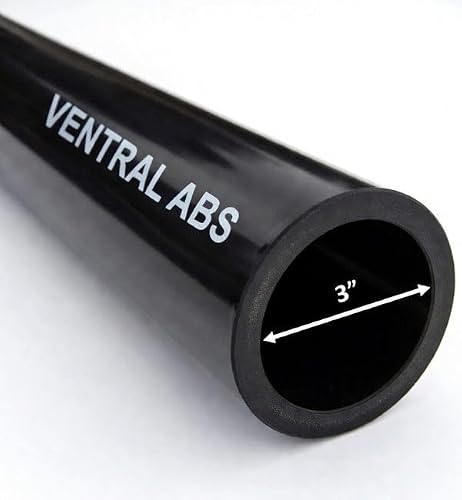
Product uses: ABS drain pipe with 3″ outer diameter designed for DWV plumbing and drainage. Best for venting, waste removal, and drain line runs in construction or irrigation projects. ABS is known for impact resistance and weather tolerance in outdoor environments.
Why selected: This option is a robust alternative for drainage-focused applications where 3″ dimensioning is essential. It provides reliable performance in both indoor and outdoor setups. Choose this if your project involves wastewater or venting needs where ABS excels.
Caution: ABS is generally used for drainage; avoid using for potable water without verifying local codes and compatibility with your system.
Buying Guide: Key Purchase Considerations
What matters most when selecting 3 inch HDPE related parts or close substitutes:
- Material type and compatibility: HDPE offers excellent chemical resistance and low moisture absorption, while PVC and ABS provide varied strengths in plumbing tasks. Match the material to the project’s environmental conditions and chemical exposure.
- Form factor: Rods, sheets, and blocks suit machining and fabrication, while pipes are best for fluid transport. Choose the form that aligns with your intended use and available tooling.
- Dimensional accuracy: Check outer diameters, thickness, and exact lengths to ensure proper fit in assemblies or fixtures. HDPE tolerances can affect machined parts and joints.
- Machinability: HDPE responds well to CNC milling and turning, but edges may require deburring. Plan for finishing steps if you’re turning blocks or sheets into precision components.
- Environmental considerations: HDPE is recyclable and chemically stable; PVC and ABS have different resistance profiles and may require different handling in outdoor installations.
- Intended use and application: For plumbing, consider pressure ratings and compatibility with solvents or sealants. For DIY machining, assess ease of cutting, drilling, and shaping.
Frequently Asked Questions
- What is HDPE used for in 3-inch formats?
– HDPE is used for rods, sheets, and blocks for machining, prototyping, and protective components in projects needing high chemical resistance and durability. - Is PVC a good substitute for HDPE in plumbing?
– PVC is common for plumbing due to availability and ease of assembly, but HDPE offers better chemical resistance in some environments. Choose based on the fluid, pressure, and temperature requirements. - Can I machine HDPE sheets or blocks easily?
– Yes. HDPE machines well with standard shop tools, but ensure proper cutting and deburring to maintain precise tolerances and clean edges. - Are HDPE products environmentally friendly?
– HDPE is recyclable and can be reused in many applications, contributing to sustainable use in projects that require durable, long-lasting components. - What should I consider when choosing a 3″ pipe for drainage?
– Consider diameter, wall thickness, material (ABS, PVC), installation environment, and local code compliance for wastewater and venting. - Is 3 inch the right size for my DIY greenhouse project?
– For irrigation or support structures, 3″ is a common, versatile size, but confirm the layout and flow requirements before selecting.