For buyers seeking a dependable 16 inch hydraulic cylinder, the right choice hinges on bore size, mounting style, and port configuration. This guide highlights five strong 16″ stroke cylinders suitable for different machines and projects. Ideal buyers include shop owners upgrading presses, fabricators building lifting mechanisms, and hobbyists performing heavy-duty repairs. Below, compare key specs, mounting styles, and suitability to help you choose with confidence. A quick summary table is provided to help you scan top picks at a glance.
| Product | Bore | Stroke | Mounting | Rated Pressure |
|---|---|---|---|---|
| Double Acting Universal Hydraulic Cylinder (Wryxia) | Noted 2- or universal bore options | 16 inches | Cross-tube style, general mounting | 2900 – 3600 PSI |
| 2×16 Hydraulic Cylinder (AMRAP HYDRAULICS) | 2 inches | 16 inches | Tie-rod, SAE 6 ports | 3500 PSI |
| WEN Cross Tube Hydraulic Cylinder (WT-2016) | 2 inches | 16 inches | Cross-tube mount | 3000 PSI |
| 3×16 Hydraulic Cylinder (AMRAP HYDRAULICS) | 3 inches | 16 inches | Cross-tube, welded | 3500 PSI |
| 2×16 Hydraulic Cylinder (Tie Rod, AMRAP) | 2 inches | 16 inches | Tie-rod end, SAE #8 | 3000 PSI |
Double Acting Universal Hydraulic Cylinder, Wryxia
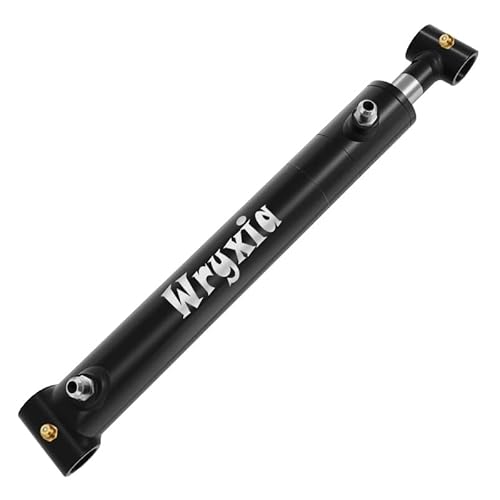
The Wryxia unit is a double-acting cylinder with a chrome-plated piston rod. It’s designed for universal applicability across various industrial equipment and machinery. Best for general purpose use where rust resistance and long service life are priorities. Suitable for workshops upgrading hydraulic presses or lifting assemblies. A potential limitation is the varying bore availability noted in the product line; confirm your exact bore requirement before purchase.
2×16 Hydraulic Cylinder – 2″ Bore 16″ Stroke (AMRAP HYDRAULICS)

This 2×16 AMRAP cylinder uses a 2″ bore and 16″ stroke with a welded double-acting design. It features SAE 6 ports and a high pressure rating of 3500 PSI. Best for robust machines needing compact size and strong side load resistance. Choose this if you operate equipment with SAE 6 port connections and require a welded construction for durability. Limitation: port type must match your hose fittings to avoid leaks or adapters.
WEN Cross Tube Hydraulic Cylinder (WT-2016)

The WEN 2″ bore, 16″ stroke cross-tube cylinder uses a double-acting steel-welded design with a 3000 PSI rating. It features a 2-inch bore, 16-inch stroke, and a 1.25-inch rod diameter, with SAE-6 port compatibility. Best for DIY projects and smaller industrial tasks where a straightforward cross-tube mount is advantageous. Better for budget-conscious buyers who still need solid performance, though it lacks some higher-pressure options in this set.
3×16 Hydraulic Cylinder – 3″ Bore 16″ Stroke (AMRAP HYDRAULICS)

This 3×16 cylinder offers a larger 3″ bore and 16″ stroke, with a welded cross-tube design and a 3500 PSI rating. Best for heavier-duty applications that demand higher force from a single cylinder. It provides a high load capacity and robustness for industrial presses or demanding lifting tasks. Limitation: the larger bore requires more space and could require bigger mounting clearances.
2×16 Hydraulic Cylinder – 2 Bore 16 Stroke Tie Rod (AMRAP HYDRAULICS)
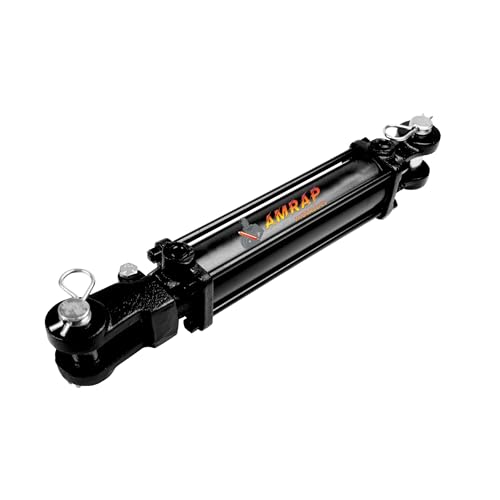
This 2″ bore tie-rod cylinder uses 16″ stroke and SAE #8 ports. It offers a robust construction with a welded inner cylinder and external tie-rod design. Best for applications where a sturdy tie-rod system is preferred for mounting and alignment. A potential limit is the need for precise alignment due to the tie-rod ends, which can affect longevity if misaligned.
Buying Guide: Key Considerations For 16 Inch Hydraulic Cylinders
What mounting style fits your setup?
Cross-tube and clevis mounts are common. Tie-rod designs offer adjustable mounting with longer service life under dynamic loads. Choose based on how you attach the cylinder to the machine frame and available space.
What bore size do you need?
Bore size directly affects force output. Larger bores (3″) produce more force but require more space and heavier components. Smaller bores (2″) save space and are easier to fit in compact equipment.
What is the acceptable pressure rating?
High-pressure cylinders (3000–3500 PSI) deliver more force. Ensure your hydraulic system and seals match the cylinder’s rated pressure to avoid leaks and maximize performance.
Ports and seals matter
Ports (SAE, NPT) and seal quality influence reliability. Ensure port type matches your hoses or adapters. High-quality seals minimize leakage and extend service life in harsh environments.
Material and construction
Welded cross-tube designs tend to be more rigid for heavy-duty applications, while tie-rod designs offer ease of assembly and maintenance. Chrome-plated rods resist rust and corrosion, extending longevity in outdoor or damp settings.
Size and space constraints
Strokes are fixed at 16 inches in these options. Confirm available clearance, mounting brackets, and rod-end dimensions to avoid interference with other components.
Frequently Asked Questions
- What is a 16-inch hydraulic cylinder best used for? It’s suited for lift mechanisms, clamp systems, and machinery that require a 16″ stroke for extended reach in compact footprints.
- What should I consider when choosing a bore size? Bigger bores deliver more force; smaller bores fit tighter spaces and lighter loads. Match bore to your required force and available space.
- Are SAE ports compatible with standard hoses? Most are, but verify port size and thread type (e.g., SAE #6, #8) to ensure proper fitting without adapters.
- What mounting style provides the easiest maintenance? Tie-rod and clevis mounts offer simpler alignment and replacement, while cross-tube cylinders can be more rigid for fixed installations.
- How important is port configuration? Port type and location affect hose routing and service access. Match to your hydraulic circuit design.
- Can I use any hydraulic fluid with these cylinders? Use fluids recommended by your hydraulic system designer to avoid seal damage and material compatibility issues.