Looking for a reliable 150 gallon diesel tank or similar high-capacity fuel storage solution? This guide highlights five top options that either match or exceed 150 gallons, focusing on durability, safety, and ease of use. These products are best for boaters, truck fleets, off-grid operators, and outdoor enthusiasts who need extended fuel range or portable storage. Each option includes who it’s best for, why it’s chosen, and a practical caveat to consider before buying.
| Product | Capacity | Best For | Why It Stands Out |
|---|---|---|---|
| MUKETA Marine Fuel Bladder | 150 gallons | Boaters needing extended range | High-tensile TPU bladder with anti-static properties and compatibility with gasoline and diesel |
| ATL FueLocker 150 Gallon | 150 gallons | Rugged marine use | Mil-Spec rubberized bladder with pressure-relief valve and safety features |
| LEE DT 200 Diesel Tank | 200 gallons | Truck and fleet storage | Steel construction with forklift-ready design and secure mounting options |
| VEVOR Portable Diesel Tank | 116 gallons | Portable refueling on the go | 12V transfer pump, durable polyethylene, and dual filtration |
| RDS MFG INC 72118 Vertical Tank | 90 gallons | Auxiliary fueling with compact footprint | Aluminum, rust-resistant construction and top-access fueling |
MUKETA Marine Fuel Bladder For 150 Gallons
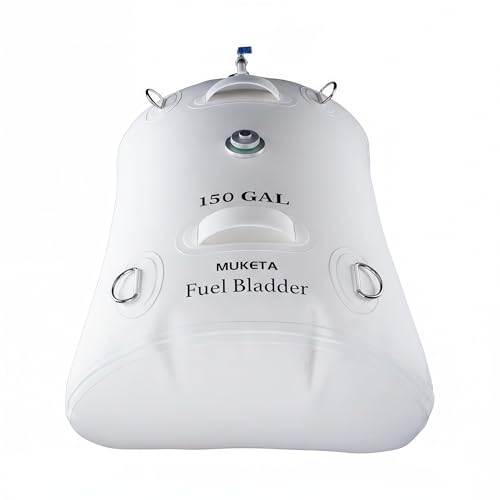
Best for boaters who need a reliable, high-capacity auxiliary tank. The MUKETA bladder uses 2000D TPU material for strong tensile strength, puncture resistance, abrasion resistance, and anti-static properties. It is designed to safely store fuel for extended periods and supports both gasoline and diesel. The bladder is suitable for preparing premium fuel in advance and extending voyage range. Caution: ensure proper installation and compatibility with your vessel’s fuel system before use.
ATL FueLocker 150 Gallon Auxiliary Bladder Kit
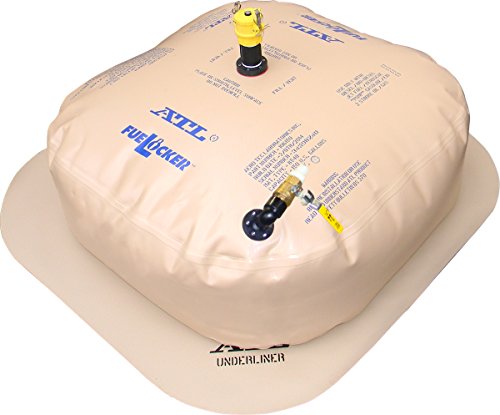
Best for rugged marine environments needing safe, portable fuel storage. The ATL FueLocker features a 150-gallon bladder with a 2″ fill/stand pipe, pressure-relief valve, and an anti-backflow flap. A 1″ ball valve outlet with safety lock enhances control during refueling and transfer. It includes a tote-bag and tie-down for transport. Caution: check for compliance with your storage and transport requirements and ensure secure mounting to prevent movement during operation.
LEE DT 200 Diesel Tank

Best for truck and industrial use where a solid steel tank is preferred. The LEE DT 200 features a standard fuel cap and gauge, forklift rails for easy transport, and bolt holes on the flanges to secure the tank or link multiple tanks for larger storage. It’s an ideal choice when a rigid, maintenance-friendly tank is required. Caution: higher weight and installation effort compared to bladder options; ensure appropriate mounting space and clearance.
VEVOR Portable Diesel Tank, 116 Gallon

Best for portable refueling with built-in filtration. The VEVOR 116-gallon tank uses high-quality polyethylene for weather resistance and includes a 12V transfer pump delivering about 10.6 GPM. It features a lockable lid and a duplex filtration system to reduce impurities. Best for rapid, on-site fueling when mobility is key. Limitation: capacity is below 150 gallons, so plan for multiple trips or supplemental storage if you truly need 150 gallons in one unit.
RDS MFG INC 72118 Vertical Fuel Tank

Best for compact auxiliary fueling with a lightweight aluminum build. The 72118 vertical tank is designed for various capacities and offers top-access fueling via gasoline-compatible siphoning with an electric fuel pump. Rust-resistant aluminum construction supports durable, longer-term use in exposed environments. Caution: not a 150-gallon unit, but a practical choice when space is limited and a smaller footprint is required.
Buying Guide
How to choose the right 150-gallon diesel tank or equivalent
- Capacity needs: If you truly require a single 150-gallon solution, prioritize bladder or larger-capacity rigid tanks close to 150 gallons. For near-150 options, 116–200 gallon models can work with trip planning.
- Tank type: Bladder systems offer portability and lighter weight; steel or aluminum tanks provide rigidity and longevity; polyethylene tanks balance durability with portability and corrosion resistance.
- Installation and mounting: Consider forklift-ready designs, mounting flanges, or tie-down options for secure placement, especially on boats or trucks.
- refueling features: Look for fill pipes, pressure-relief valves, anti-backflow mechanisms, and integrated gauges to monitor fuel levels accurately.
- Filtration and fuel cleanliness: Dual filtration reduces contamination. This helps protect engines and downstream equipment.
- Security: Lockable lids and theft-prevention features are valuable in outdoor or remote locations.
- Maintenance and compatibility: Ensure compatibility with the intended fuel (diesel vs gasoline) and plan for routine inspection of hoses, valves, and seals.
- Portability vs fixed installation: Portable totes suit temporary use or multi-location tasks; fixed tanks suit ongoing storage and constant supply needs.
Questions to consider before buying
- Is the tank designed for diesel specifically, or is it rated for multiple fuels?
- Do you need a pump, gauge, or filtration as part of the package?
- What is the available space for installation, and does the unit fit your vehicle, vessel, or trailer?
- What mounting or securing method is required to prevent movement during operation?
What to expect in use
Choose products with clear documentation on material compatibility, safety features, and installation requirements. For vessels, ensure that the bladder or tank prevents spills and is compatible with your hull or deck setup. For trucks or off-grid uses, prioritize sturdiness, ease of transport, and reliable fuel transfer accessories.
FAQ
- What’s the difference between a bladder tank and a rigid diesel tank? Bladder tanks are flexible and portable, good for temporary or changing setups; rigid tanks are durable and secure for long-term storage.
- Can I use a 116-gallon tank as a substitute for a 150-gallon unit? It can supplement a 150-gallon need, but may require multiple trips or additional storage to meet a 150-gallon target.
- Are there safety features to prevent spills? Yes, many come with pressure-relief valves, anti-backflow flaps, lockable lids, and secure fittings.
- Is it okay to use this tank for both gasoline and diesel? Some models support both fuels; verify the product’s compatibility with your intended fuel before use.
- Do these tanks require special installation? Rigid tanks may require mounting hardware and clearances; bladder systems often need proper mounting and securing on deck or vehicle.
- What maintenance is needed? Regularly inspect hoses, fittings, valves, and seals for wear; replace filters as recommended by the manufacturer.