When choosing a 12 inch hydraulic cylinder, the key factors are bore size, stroke length, operating pressure, and overall build quality. This guide highlights five reliable 12″ cylinders suitable for common applications like loader arms, presses, and industrial machinery. Each option is matched to specific buyer needs—whether you need higher pressure, broader bore, or a welded design for durability. The table below compares the top picks to help you decide quickly which cylinder best fits your project.
| Product | Bore | Stroke | Ports | Max PSI |
|---|---|---|---|---|
| WEN 2500 PSI Tie Rod TR-3012 | 3 in | 12 in | 1/2 in NPT | 2500 |
| AMRAP HYDRAULICS 2×12 (SAE#6) | 2 in | 12 in | SAE#6 (Female) | 3500 |
| WEN 2500 PSI Tie Rod TR-2012 | 2 in | 12 in | 3/8 in NPT | 2500 |
| AMRAP HYDRAULICS 1.5×12 | 1.5 in | 12 in | SAE#4 (Female) | 3500 |
| KINGWAY 1.5×12 Welded | 1.5 in | 12 in | 3/4 in Pin Holes, SAE#6 | 3000 |
WEN 2500 PSI Tie Rod TR-3012

The TR-3012 uses a double-acting steel-welded design to generate up to 2500 PSI. With a 3-inch bore and a 12-inch stroke, it provides substantial push and pull force for compact hydraulic tasks. The 1.25-inch rod diameter supports moderate loading scenarios, and the 1/2-inch NPT port aligns with standard hydraulic hoses.
Best for: general-purpose lifting and clamping tasks where a balanced bore and robust steel construction shine. This model suits small-to-medium projects such as shop presses or loader attachments.
Caution: The 1/2-inch NPT port may limit some high-flow setups; ensure your hose and fittings match this size to avoid leaks or slow cycles.
AMRAP HYDRAULICS 2×12 (SAE#6)

This double-acting, welded cross-tube cylinder features a 2-inch bore and a 12-inch stroke, rated for 3500 PSI. It uses SAE#6 ports, a welded cross tube construction, and a heavy-duty steel body designed to withstand outdoor environments. With a 1.25-inch rod and robust seals, it reduces leakage in tough conditions.
Best for: heavy-duty industrial or agricultural equipment where higher PSI capacity and sturdier construction are essential. Choose this if you need stronger actuation without increasing overall cylinder length.
Caution: The larger 2-inch bore increases the cylinder’s footprint; ensure mounting space and mount geometry accommodate the bigger diameter.
WEN 2500 PSI Tie Rod TR-2012
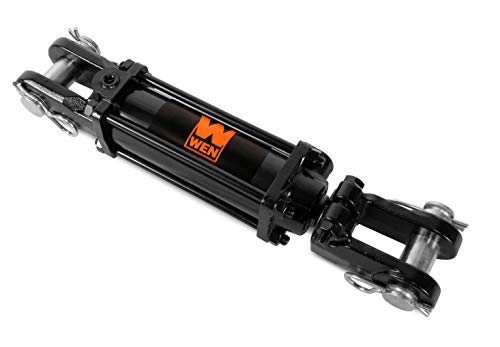
The TR-2012 provides a 2-inch bore with a 12-inch stroke, delivering up to 2500 PSI. It uses a double-acting steel-welded design and a 1.125-inch rod diameter. A 3/8-inch NPT port supports standard hoses, offering easy adaptability for many workshop setups.
Best for: users who need a compact but capable cylinder for light to moderate hydraulic tasks or for upgrades to existing systems that demand the 2-inch bore without excessive size.
Caution: The 3/8-inch port can limit flow, potentially slowing operation in high-demand applications; verify hose sizing for best performance.
AMRAP HYDRAULICS 1.5×12
This 1.5-inch bore, 12-inch stroke cylinder is rated for 3500 PSI and uses SAE#4 ports (female pipe). It features a welded, all-welded design with heavy-duty steel construction and a 1-inch rod. It is built to withstand corrosion and harsh outdoor conditions, with high-quality seals to prevent leakage.
Best for: applications requiring a compact, higher-pressure cylinder with better resistance to harsh environments. This model suits loader attachments and small industrial machinery where compactness matters.
Caution: The smaller bore reduces maximum pushing force compared to larger-bore models; check required force for the task before selecting.
KINGWAY 1.5×12 Welded

The KINGWAY 1.5×12 welded cylinder offers 3000 PSI with a 1.5-inch bore and a 12-inch stroke. It uses 3/4-inch pin holes and SAE#6 ports, designed as a direct-fit replacement for many loader and agricultural setups. Its universal compatibility aims to minimize installation work.
Best for: buyers looking for a straightforward replacement or upgrade where OEM-like fit matters and where reliable, standard mounting is a priority. Choose this for compatibility and simple mounting.
Caution: Check the exact mounting geometry and hole spacing—mismatches can complicate installation even with standard sizes.
Buying Guide: Key Considerations for 12 Inch Hydraulic Cylinders
What will you use it for?
Define whether you need lifting, pressing, or pulling force. A larger bore provides more theoretical push force at a given pressure, but it also requires more mounting space and may introduce more friction in confined spaces.
How much pressure do you need?
Industrial and heavy-duty applications benefit from higher PSI ratings (e.g., 3500 PSI). For lighter tasks, 2500 PSI models often provide ample performance with smaller size and cost.
What about mounting and connections?
Port size and pin hole locations affect compatibility with existing hoses, fittings, and mounts. SAE and NPT ports are common; ensure the port type matches your system.
Material and build quality matters
All-welded designs and heavy-duty steel constructions offer durability in harsh environments. Welded cross-tube Cylinders generally resist bending and provide longer service life in demanding settings.
Maintenance and seals
Look for cylinders with high-quality seals to minimize leakage and rust. Proper lubrication and regular inspection of seals, rods, and mounting hardware extend cylinder life.
Size and fit considerations
Ensure the bore, stroke, and extended length fit within your machine’s envelope. A mismatch can cause interference, bottoming out, or clearance issues during operation.
FAQ
- What is the difference between tie rod and welded cylinder designs? Tie rod cylinders use threaded rods to connect end caps to the barrel, often easier to service, while welded cylinders have a solid welded body for higher robustness and fewer leak paths.
- Why choose a higher PSI rating? Higher PSI supports heavier loads and faster cycling in demanding tasks, but may require more robust mounting and components to handle the force.
- How do bore size and stroke interact? A larger bore increases potential push force, while a longer stroke determines how far the piston can travel. Choose based on required force and travel distance for the task.
- What should I check before purchasing? Verify port types, bore, stroke, mounting holes, and compatibility with your hoses and fittings.
- Are these cylinders suitable for outdoor use? Many models feature heavy-duty steel construction and corrosion-resistant seals, but confirm environmental ratings and required maintenance for outdoor deployments.
- Can I retrofit my existing hydraulic system with a new 12″ cylinder? Yes, if port sizes, mounting geometry, and overall stroke fit the machine’s design, though some setups may require adapters or mounting changes.