Answering the best options for durable, corrosion-resistant metal bars used in fabrication, crafts, and building projects. This guide highlights five practical 321 steel bar alternatives and explains who should choose each. Ideal for DIY enthusiasts, hobbyists, small shop operators, and professionals seeking reliable flat bar stock for fabrication, brackets, rails, and prototypes. The selected products emphasize common dimensions, corrosion resistance, and ease of fabrication to help you decide quickly.
| Product | Material Note | Size (Thickness x Width x Length) | Best For |
|---|---|---|---|
| UNIFAMILY 4PCS 304 Stainless Steel Flat Bar | 304 Stainless Steel | 1/8″ x 1″ x 16″ | DIY crafts, light structural projects |
| uxcell 304 Stainless Steel Flat Bar | 304 Stainless Steel | 1/8″ x 1 3/16″ x 11 3/4″ | Kitchen and hobby repairs |
| Yaocom 2 Pcs 304 Flat Bar | 304 Stainless Steel | 1/8″ x 1 1/2″ x 36″ | Longer prototypes, tooling supports |
| Online Metals 304 Rectangular Bar | 304 Stainless Steel | 1/8″ x 1-1/2″ x 36″ | Fabrication, fixtures, brackets |
| Hosifiy 2Pcs 316 Stainless Steel Flat Bar | 316 Stainless Steel | 1/8″ x 1-3/16″ x 12″ | Outdoor use, higher corrosion resistance |
UNIFAMILY 304 Flat Bar, 1/8″ Thick, 1″ Wide, 16″ Long
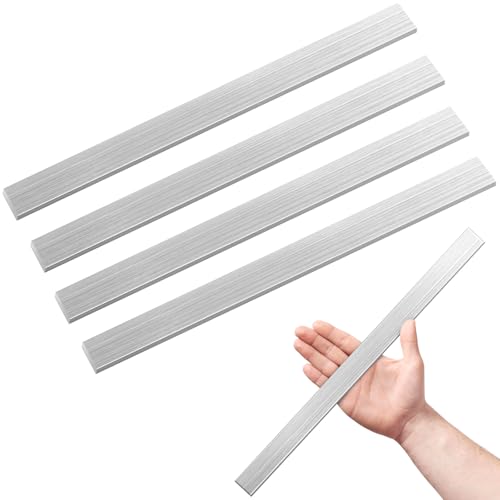
Made from 304 stainless steel, this flat bar is resistant to high temperatures, corrosion, and scratches. Edges are laser-cut and deburred for easy handling and precision projects. The 16″ length suits small to medium DIY builds where a narrow, durable bar is needed.
Best for: DIY metal crafts and small structural supports in workshops or home garages. Better for readers seeking a cost-effective 304 option with clean edges.
Caution: Dimensions must be verified before ordering to ensure fit for your exact project needs.
uxcell 304 Flat Bar, 1/8″ Thick, 1 3/16″ Wide, 11 3/4″ Long

This 304 stainless steel strip offers versatility for home, kitchen, and DIY crafts. The 11 3/4″ length provides a compact option for precise parts, brackets, or trim pieces. Its corrosion resistance makes it suitable for indoor and certain outdoor uses with proper protection.
Best for: Quick, everyday repairs and small fabrication tasks around the kitchen or workshop. Better for: projects needing a compact bar with reliable corrosion resistance.
Caution: Slight tolerances may exist due to manufacturing; check exact dimension tolerances for tight-fitting parts.
Yaocom 304 Flat Bar, 1/8″ x 1-1/2″ x 36″

These 304 stainless steel bars come in a long 36″ length with 2B finish, offering solid strength and corrosion resistance. Suitable for precise metal tool fabrication, long rails, or structural supports in larger DIY projects.
Best for: Projects requiring longer stock and robust 304 steel. Choose this if you need extra length for prototypes or custom fixtures.
Caution: These are metric-based sizes; ensure you convert and confirm if your project uses imperial measurements.
Online Metals 304 Rectangular Bar, Mill Finish

Solid 304 stainless steel with a mill, unpolished finish and annealed per ASTM A276. This bar is versatile for shop, garage, or jobsite fabrication. It’s machinable, weldable, and suitable for lightweight structural tasks and prototype builds.
Best for: Fabrication-ready parts, brackets, and fixture builds. Better for: users who value a clean, unpolished surface for post-process finishing.
Caution: The unpolished surface may require finishing before certain aesthetic applications.
Hosifiy 316 Flat Bar, 1/8″ x 1-3/16″ x 12″
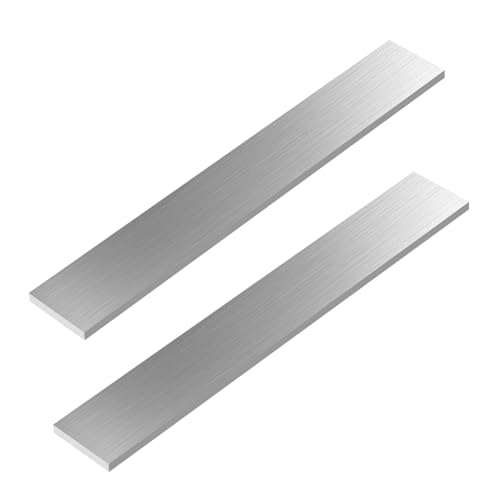
316 stainless steel offers superior corrosion resistance, especially in marine or chemically aggressive environments. The 12″ length makes it practical for longer fixtures, rails, or fabrication components exposed to moisture or salt.
Best for: Outdoor or chemically challenging environments; ideal for marine or lab equipment. Better for: projects needing enhanced corrosion resistance beyond 304-grade steel.
Caution:316 stock can be more expensive and slightly harder to machine than 304 grades.
Buying Guide
What should I consider when choosing stainless steel flat bars?
Material grade matters for corrosion resistance and price. 304 stainless steel is versatile for indoor and some outdoor use, while 316 offers superior corrosion resistance in harsh environments. Consider the environment, exposure to moisture or chemicals, and cleaning requirements.
What dimensions are most common, and how do I pick?
Common thicknesses include 1/8″ (0.125″), with widths ranging from about 1″ to 1-1/2″ and lengths from 12″ to 36″. For precise parts, match your design tolerances; for prototypes, choose extra length to allow machining or finishing.
Should I choose mill finish or brushed/2B finishes?
Mill finish is unpolished and ready for further finishing or welding. Brushed or 2B finishes provide smoother surfaces and better aesthetics for visible parts. Your finishing approach will affect later steps like polishing or plating.
Is length important for project planning?
Longer bars reduce joints but may require cutting. Shorter bars are easier to manage for small parts. Plan for waste and kerf when cutting, and consider if you need additional material for mistakes or modifications.
What are the safety and fabrication notes?
Flat bars should be handled with cut-resistant gloves when cutting or deburring. Edges are often deburred, but verify before machining. Welding and drilling should follow standard shop safety practices and appropriate heat treatments when necessary.
How should I budget for a project?
Expect price variance by grade (304 vs. 316), length, and finish. For hobby projects, 304 provides a balance of cost and performance. For outdoor or chemical exposure, 316 may be worth the extra cost for durability.
Buying considerations at a glance
- Grade suitability: 304 vs. 316 depending on environment.
- Dimensions: ensure thickness, width, and length meet project specs.
- Finish: mill, brushed, or 2B based on appearance and post-processing needs.
- Length options: longer stock enables fewer joints but requires more storage and cutting planning.
- Price vs. durability: evaluate cost against intended use and exposure.
FAQ
- What is the difference between 304 and 316 stainless steel?
304 offers good corrosion resistance for general use; 316 contains molybdenum for enhanced resistance in chlorinated and marine environments. - Can these flat bars be welded?
Yes, 304 and 316 grades are weldable with appropriate filler materials and welding techniques. - Which finish is best for visible parts?
Brushed or 2B finishes provide a cleaner, more aesthetic surface for exposed components. - Are these bars suitable for outdoor use?
304 is suitable in many outdoor conditions; 316 is preferred for harsher environments or salt exposure. - How do I verify dimensions before buying?
Check the product specifications for thickness, width, and length. Measure with calipers if you’re matching a precise design. - What safety steps should I follow when cutting?
Use cut-resistant gloves, proper clamps, and eye protection; deburr edges after cutting to remove sharp fragments.