When you need fast, accurate leak detection in drainage, ventilation, and exhaust systems, plumbing smoke test equipment is a practical choice. This guide highlights five strong options suitable for professional plumbers, facility managers, and DIY homeowners tackling new installations or repairs. Each item is selected for its usefulness in locating leaks, testing ductwork, or visualizing airflow without costly water or air-pressure tests. The buyer’s notes below explain who benefits most from each tool and any practical limitations to consider.
| Product | Best For | Why It Stands Out |
|---|---|---|
| Zelvoro Sewer Smoke Test Blower | Professional plumbers testing sewer lines and vent ducts | Precise positioning of visible smoke to locate leaks quickly; maintenance-free motor; compact and portable for tight spaces |
| CAI – SUPERIOR SMOKE Pellets (500 cu ft) – pkg. of 12 | Large-area visualizations in ducts, chimneys, and exhaust paths | High smoke output per pellet; simple ignition; versatile across plumbing, HVAC, and fire-safety testing |
| SmoKing 2.0 Smoking PRO – Smoke Detector Tester | Smoke detector and alarm testing in ceilings and rooms | Industry-recognized smoke detector tester; compact can design; easy to deploy for quick checks |
| Aurelema Universal Intake Adapters (2 pcs) | Car and vehicle intake diagnostics; flexible port sealing | Two bladders cover multiple intake shapes; durable silicone; reusable for diverse vehicle setups |
| Solary Automotive Smoke Leak Tester – SD101 | Workshop EVAP, vacuum, and exhaust leak detection | Professional-grade leak testing in automotive systems; speeds up diagnostics with visible results |
Sewer Smoke Test Blower by Zelvoro

Best for: service professionals testing sewer lines and ventilation ducts. This blower pushes thick smoke into pipes to reveal leaks and pinpoint leak points. The unit promises precise smoke placement, enabling quick localization of failures and reduced follow-up work. It is compact and designed for basements, tight spaces, or rooftops, making it versatile for various job sites.
Why selected: Its ability to visualize leaks with visible smoke speeds diagnosis and reduces the need for water or air-pressure tests, saving time and money on projects with complex duct networks.
Caution: Wear appropriate PPE and follow safety instructions when generating smoke in systems with enclosed spaces. Ensure adequate ventilation during testing.
CAI – SUPERIOR SMOKE Pellets (500 cu ft) – Pack of 12

Best for: larger-scale visualizations and multi-room testing where multiple smoke sources are advantageous. Each pellet emits dense smoke for about 45 seconds, with roughly 600 cubic feet of coverage, making it suitable for chimney, ductwork, or exhaust testing.
Why selected: The pellet system provides a simple, portable method to visualize airflow paths without continuous fuel handling. It supports diverse applications, including plumbing, ventilation, and even fire drill practice.
Caution: Use in well-ventilated areas and follow local safety guidelines for smoke release. Not ideal for extremely small or closed-off spaces where smoke buildup could occur.
NEW & Improved Smoking PRO – Smoke Detector Tester

Best for: quick checks of smoke detectors and fire alarms in ceilings or through access points. This tester is designed to verify detector response and ensure that alarm systems operate as expected.
Why selected: It remains a staple for compliance workflows and routine safety checks in both residential and commercial settings, supporting rapid verification after installations or repairs.
Caution: Extension pole or additional canisters may be needed for higher ceilings or drop ceilings; verify compatibility with your detectors before use.
Extendable Smoke Detector Tester Pole – 60.5″
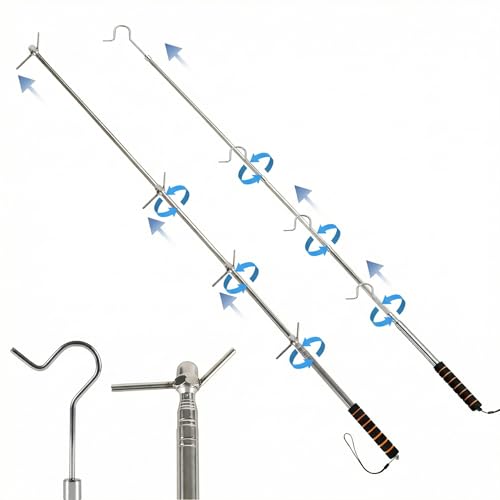
Best for: testing hard-to-reach smoke detectors and emergency exit lights without ladders. The pole extends from 15 inches to 60.5 inches, offering substantial reach for elevated installations.
Why selected: The tool-free head swap enables quick adaptation between precise button testing and broader hanging tasks, reducing setup time on high or awkward installations.
Caution: Do not exceed recommended extension to preserve stability; use with a stable surface and secure footing when working at height.
Aurelema Universal Intake Adapters (2 Pcs)

Best for: automotive and integrated HVAC testing where an airtight seal around intake ports is needed. The two-piece silicone bladder set accommodates round, oval, square, and hard-to-reach shapes.
Why selected: The universal seal helps pinpoint intake-related leaks or blockages without disassembly, improving diagnostic speed in engine bays and air intake paths.
Caution: Ensure proper compatibility with your smoke machine and vehicle model; over-tightening can stress the seal and reduce effectiveness over time.
Solary SD101 Automotive Smoke Leak Tester

Best for: professional automotive testing in shops, including EVAP and vacuum leak detection. It provides quick, accurate leak identification without dismantling components.
Why selected: Designed for garage use, it facilitates efficient diagnostics and addresses common pain points of untraceable leaks in automotive systems.
Caution: Use in well-ventilated areas and follow all safety guidelines for automotive testing; avoid exposure to excessive smoke in occupied spaces.
Buying Guide: Key Considerations for Plumbing Smoke Test Equipment
- What is my testing goal? Leaks in sewer lines, vent ducts, or HVAC pathways require different smoke generation scales and smoke visibility. Choose a blower or pellet system accordingly.
- How portable is the tool? If you work in tight spaces or on roofs and basements, compact, lightweight units with good battery life or plug-in options save time.
- What surfaces and shapes are involved? Look for universal adapters or adjustable heads to seal irregular ports and reach awkward spots.
- Safety and ventilation: Ensure proper ventilation during tests, and select tools with low-maintenance motors and clearly labeled safety instructions.
- Application range: Some products are tailored for plumbing leaks, others for automotive intake testing or detector verification. Align the tool with your primary tasks.
- Ease of use: Tools with simple operation, quick-start guides, and minimal setup help reduce on-site delay and errors.
Frequently Asked Questions
- What is the main purpose of plumbing smoke test equipment?
To visually reveal leaks and airflow paths by introducing visible smoke into pipes, ducts, or intake systems, enabling quick pinpointing of leak sources.
- Which tool is best for testing sewer pipes specifically?
A sewer smoke test blower is designed to push visible smoke into sewer lines and vent ducts to locate leaks efficiently.
- Are there risks associated with smoke testing?
Yes. Ensure proper ventilation, follow safety guidelines, and avoid testing in occupied spaces without containment or PPE as required.
- Can smoke test pellets be used for HVAC testing?
Yes. Pellets that generate dense smoke can visualize airflow in ducts, chimneys, and exhaust paths, aiding HVAC diagnostics along with plumbing tests.
- Do these tools require professional training?
Basic operation is straightforward, but complex systems may benefit from professional training or manufacturer guidance to ensure safe and accurate testing.
- Is there a safer alternative to smoke testing?
Water- or air-pressure testing are alternatives, but smoke testing offers faster visibility in some configurations. Always follow project requirements and codes.