Choosing the right adhesive for neoprene can be tricky due to the material’s stretch, porosity, and exposure to water. This guide compares five well-regarded options that perform reliably on neoprene surfaces, from wetsuit repairs to sport gear and DIY projects. Each product is selected for strong grip, flexibility, and resistance to moisture or temperature variations, ensuring a lasting bond with neoprene and related materials.
| Product | Brand | Type | Highlights |
|---|---|---|---|
| S-18 All-Purpose Adhesive | RH Adhesives | Multi-surface adhesive | Water-resistant, bonds porous and non-porous materials |
| 3M Neoprene High Performance 1300 | 3M | Rubber and gasket adhesive | Moisture and heat resistant up to 300°F |
| GEAR AID Aquaseal NEO | GEAR AID | Neoprene contact cement | Fast-drying, flexible, great for wetsuits and gear |
| Bondtech Rubber Glue 30 g | Bondtech | Rubber adhesive | Strong bond, precision applicators, versatile |
| DREAHLIFE Rubber Glue | DREAHLIFE | Rubber/Silicone adhesive | Rapid bonding, durable, easy to use |
S-18 All-Purpose Adhesive For Neoprene

The S-18 formula from RH Adhesives is designed for universal use on porous and non-porous materials, including neoprene. It promises durable films with good peel strength and aging properties, and offers water resistance for challenging environments. This makes it suitable for neoprene repairs in marine or damp conditions, as well as general fabric and rubber projects. Its ability to bond multiple substrates reduces the need for multiple glue types in a workshop.
Key features include water-resistant solvent properties, strong adhesion to varied materials, and resilience to oils. The adhesive is formulated to maintain flexibility after curing, helping neoprene joints move with the fabric rather than crack. For best results, ensure surfaces are clean and dry before applying a thin, even layer and allow adequate cure time per instructions.
Bondtech Rubber Glue 30 g

Bondtech Rubber Glue is a clear instant adhesive formulated for rubber applications. It bonds rubber to rubber, rubber to plastic, metal, and wood, with a focus on precision and control. The kit includes three droppers to apply the adhesive in small, precise amounts—helpful for neoprene repairs around seams, edges, or small patches. The formula emphasizes fast setup, enabling quick fixes for gloves, belts, tires, and neoprene gear.
Performance depends on proper surface prep: clean, dry surfaces maximise bond strength. The adhesive’s cure speed supports rapid field repairs, though full cure times may vary with material thickness. It’s well-suited for quick patches on neoprene items that require a discreet, strong seal without a bulky bond line.
3M Neoprene High Performance 1300L

3M 1300L is a high-performance neoprene adhesive designed for gasket and rubber bonding. It provides strong adhesion to neoprene and similar rubbers while standing up to moisture and heat. The product is suitable for applications where a robust, flexible bond is required, such as wetsuit panels, knee patches, or repair patches on neoprene gear. It can function as both a contact and wet-bond adhesive, expanding its use in various repair scenarios.
Careful surface preparation is important: ensure surfaces are clean and dry before application. Use thin, even coats and allow partial curing before full bonding to maximize elasticity and bond longevity. This adhesive is valuable for professional repairs and hobby projects alike where neoprene integrity matters in wet or humid conditions.
3M Neoprene High Performance 1300L (Quart Can)
This larger quart-size version extends the same bonding power as the smaller tube, supporting larger neoprene patches or multiple repairs in one project. It maintains excellent moisture and heat resistance, suitable for workshops involving rubber gaskets, seals, or neoprene components used in marine or outdoor gear. The adhesive remains versatile, with potential use as a wet-bond option when required by task specifics.
As with any strong rubber adhesive, correct handling is essential. Apply in a well-ventilated area and follow curing times to achieve a flexible, durable bond that resists cracking under movement. It is a dependable option when a large volume is needed for ongoing neoprene repair work.
DREAHLIFE Rubber Glue for Neoprene
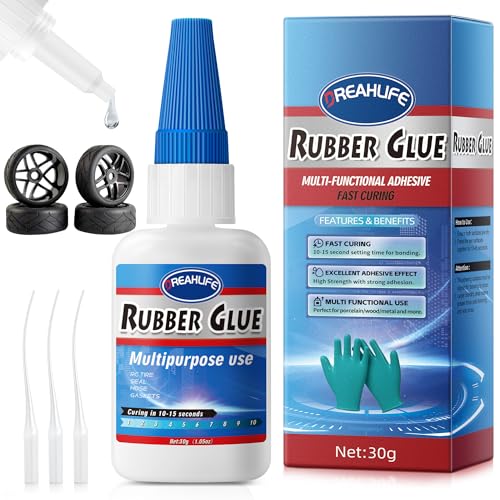
DREAHLIFE offers a silicone-based rubber adhesive designed for reliable bonding on neoprene and silicone surfaces. The product emphasizes a strong bond with quick drying times, typically within minutes, making it practical for urgent repairs or assemblies that require immediate handling. It aims to deliver a durable bond that remains flexible to accommodate neoprene’s stretch and movement.
Users should prepare surfaces by cleaning and drying thoroughly, then apply evenly and press firmly. Full cure will improve overall strength and longevity. This adhesive suits repairs on seals, gaskets, or flexible neoprene components where speed and reliability are prioritized over large gap-filling requirements.
Buying Guide: Key Considerations For Neoprene Adhesives
When selecting an adhesive for neoprene, several factors influence performance. Material compatibility, flexibility after curing, water resistance, and cure time top the list. Below are considerations from multiple perspectives to help buyers choose the best option for their needs.
- Bond Type: For neoprene, contact or wet-bond adhesives provide the strongest, more flexible bonds. Look for products marketed specifically for neoprene or rubber.
- Moisture and Temperature Resistance: Neoprene is used in water-related gear and outdoor items. Adhesives rated for moisture and higher temperatures (up to 300°F or more) tend to perform better in real-world conditions.
- Flexibility And Elasticity: The ideal bond remains flexible after curing to accommodate neoprene’s stretch. Rigid bonds can crack as the material moves.
- Surface Preparation: Clean, dry surfaces yield the strongest bonds. Roughening the surface or lightly sanding can improve adhesion for some products.
- Application Style: Precision applicators, included droppers, or built-in tips help place glue exactly where needed, reducing waste and mess on small neoprene components.
- Repair Scope: For large patches, consider larger containers or faster-curing options to complete projects efficiently without sacrificing bond strength.
- Safety And Ventilation: Many adhesives require ventilation and personal protective equipment. Follow label instructions for safe use and storage.
- Material Compatibility: If your project involves multiple substrates (rubber, plastic, metal, wood), choose a versatile adhesive that bonds all involved materials, or use dedicated products for critical joints.
In practice, for wetsuit repairs or gear, a flexible, water-resistant adhesive like Aquaseal NEO is often preferred due to its fast-drying and long-lasting bond. For quick field fixes, a strong rubber glue with fine applicators can be ideal. When repairing seals or gaskets in mechanical contexts, industrial-grade options from 3M may offer superior heat and moisture resilience. Always test a small area first and follow cure times for the strongest, most reliable bond.